
Breakfast of Big Ideas
From Breakout to Breakthrough
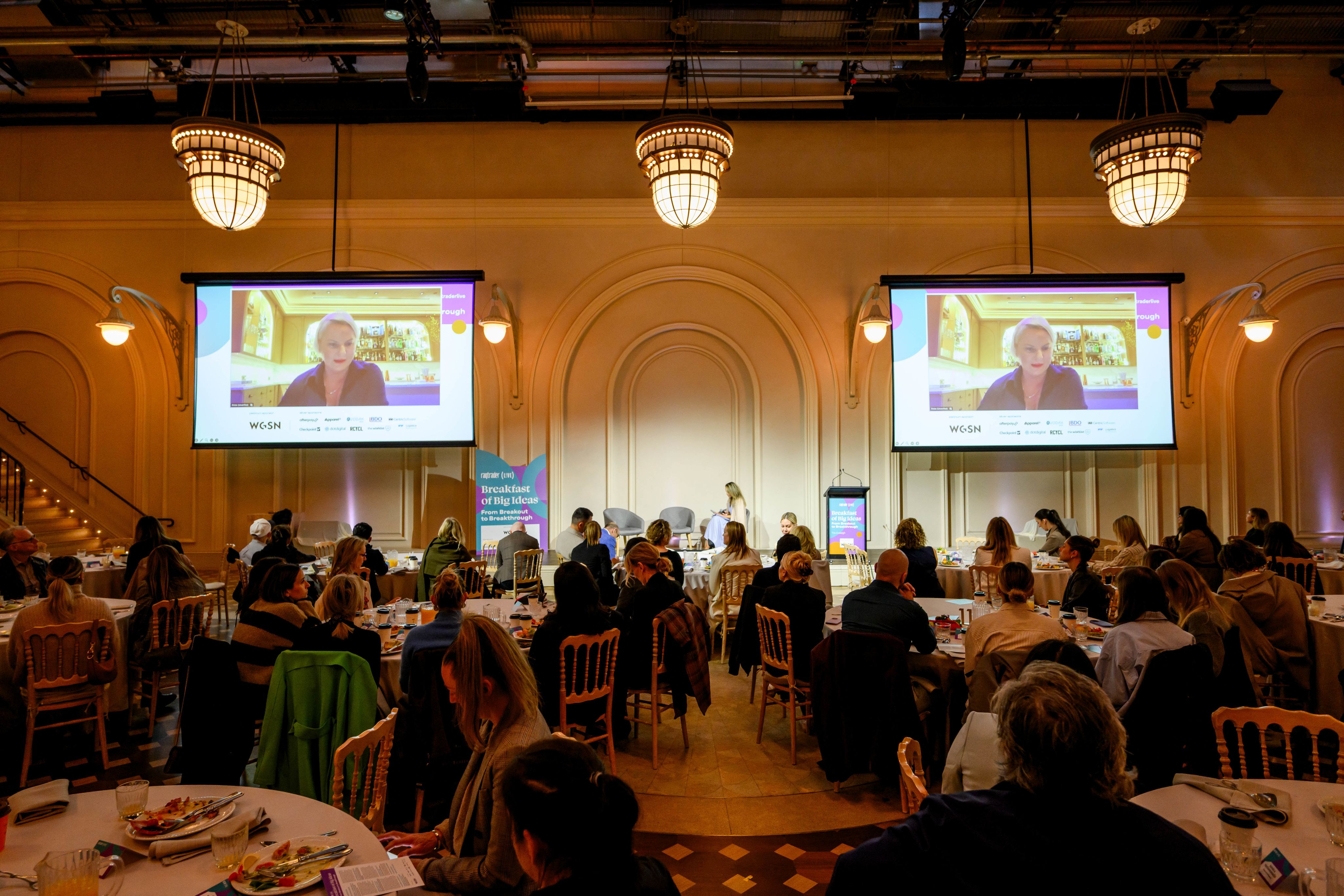
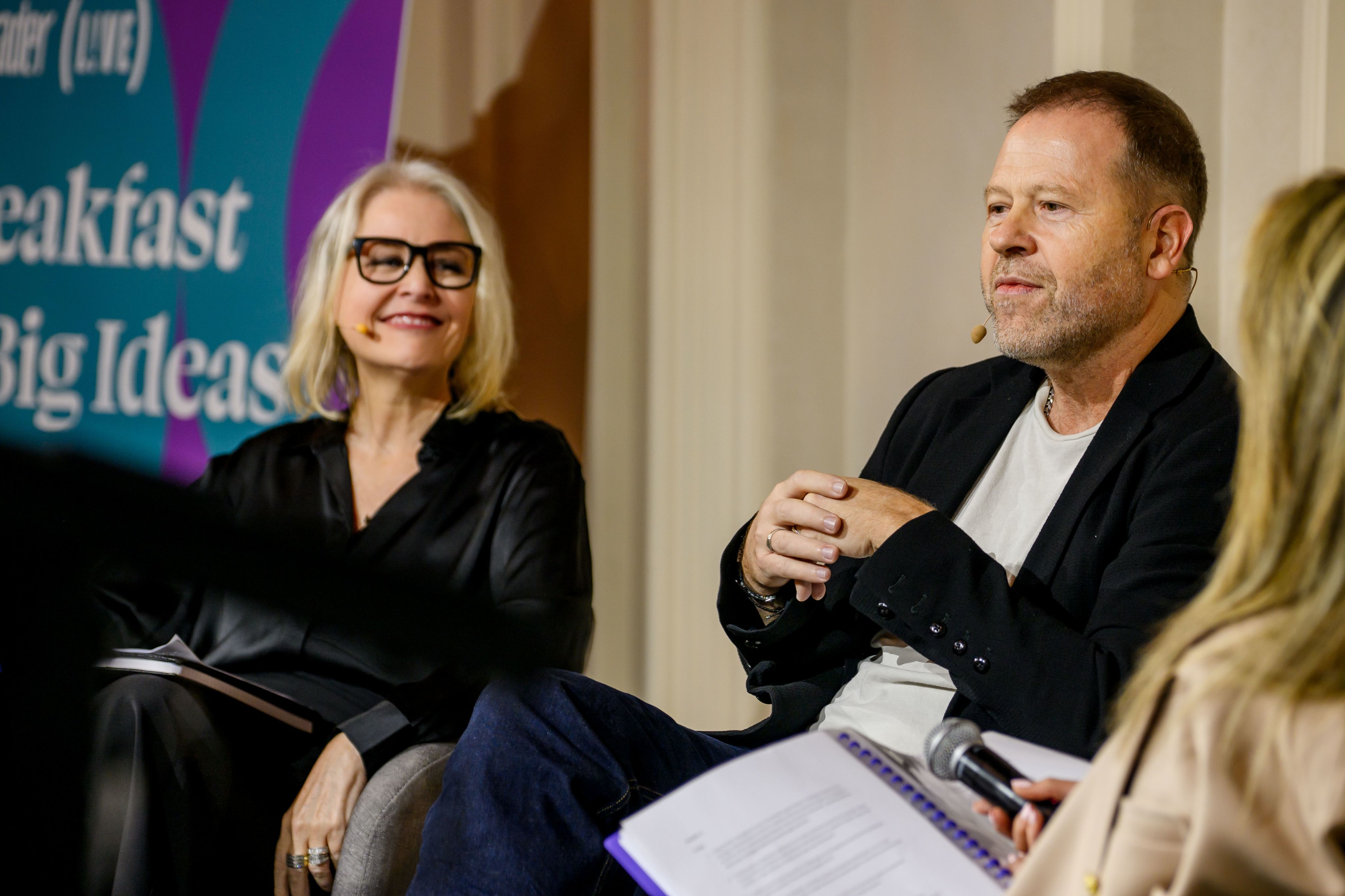
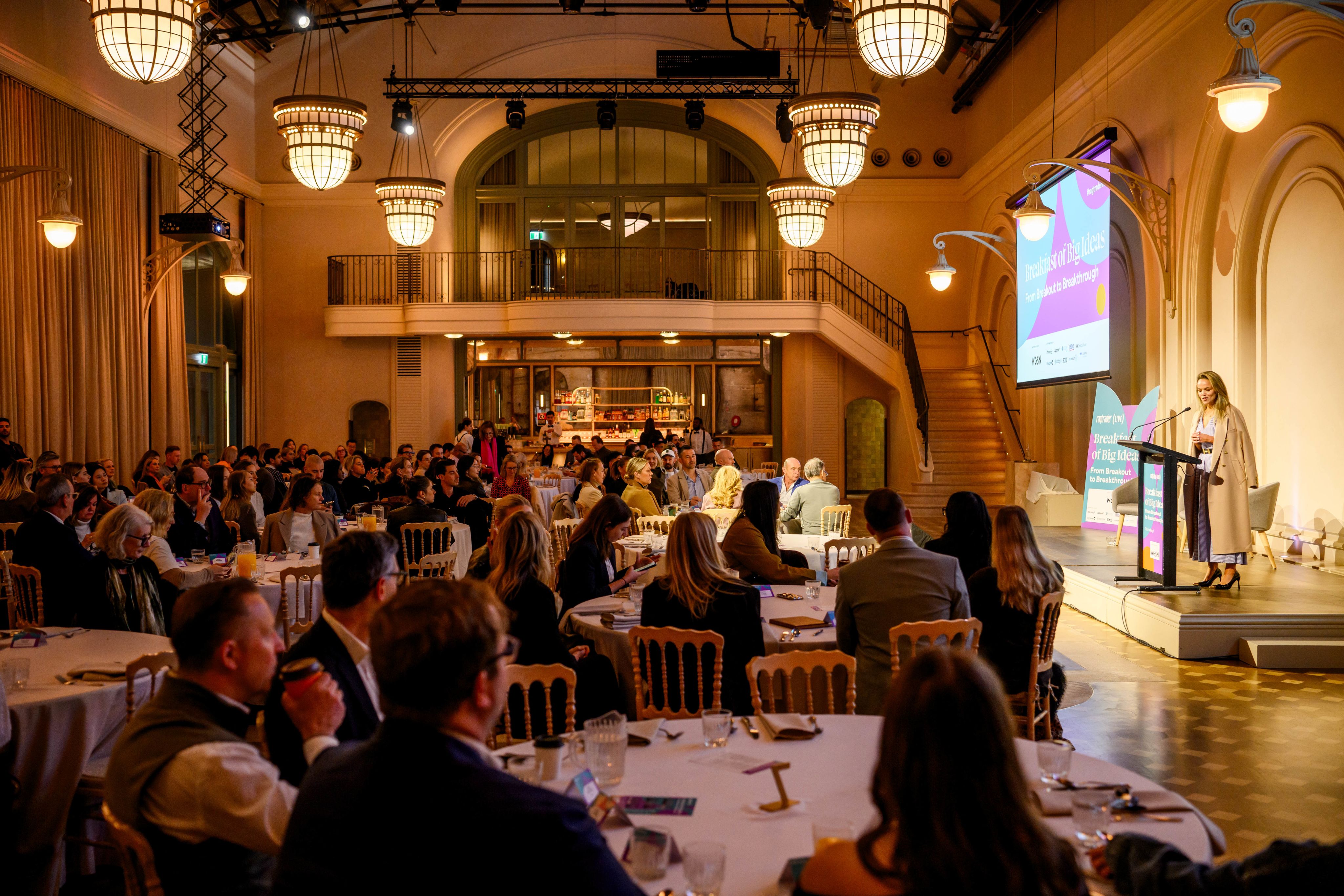
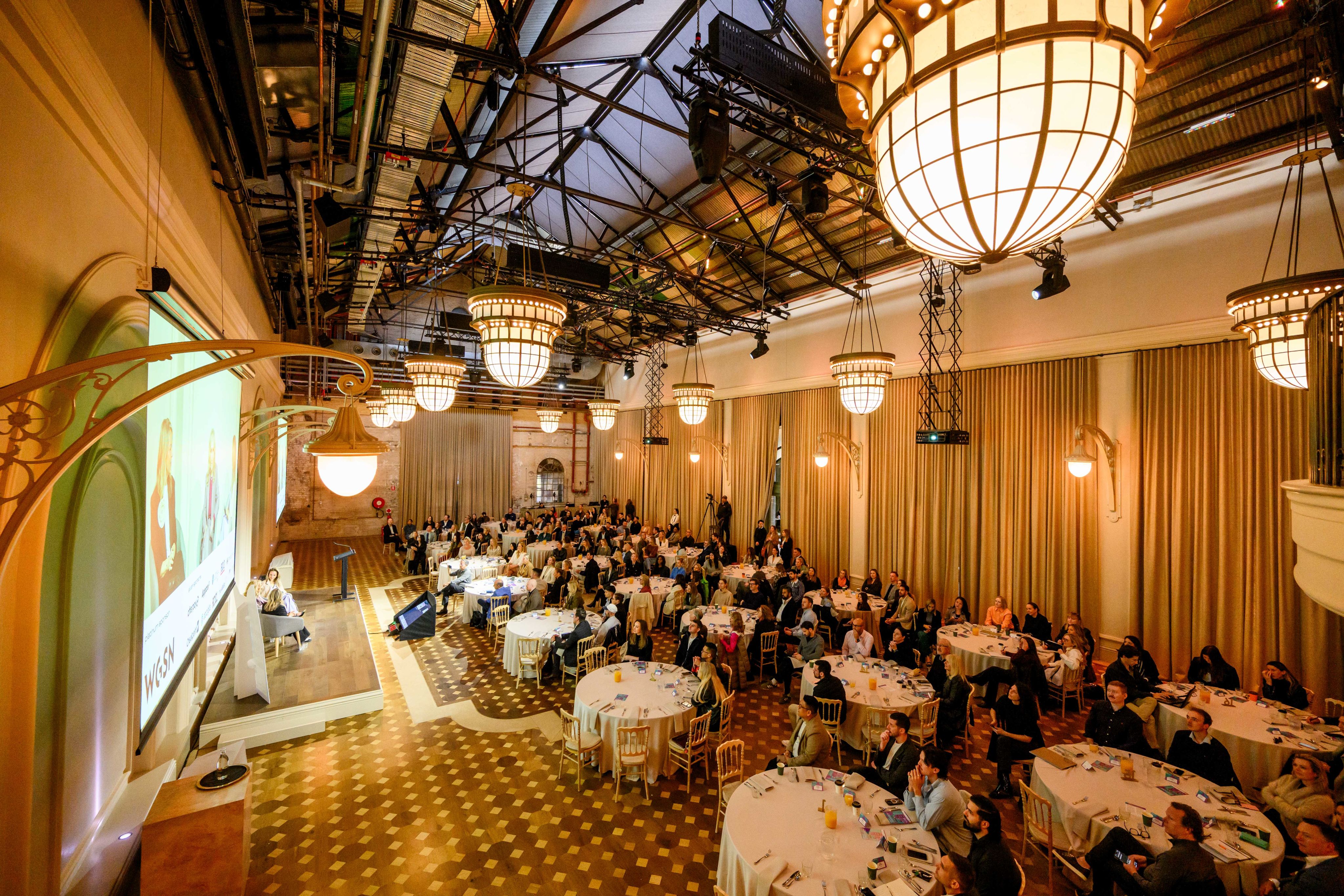
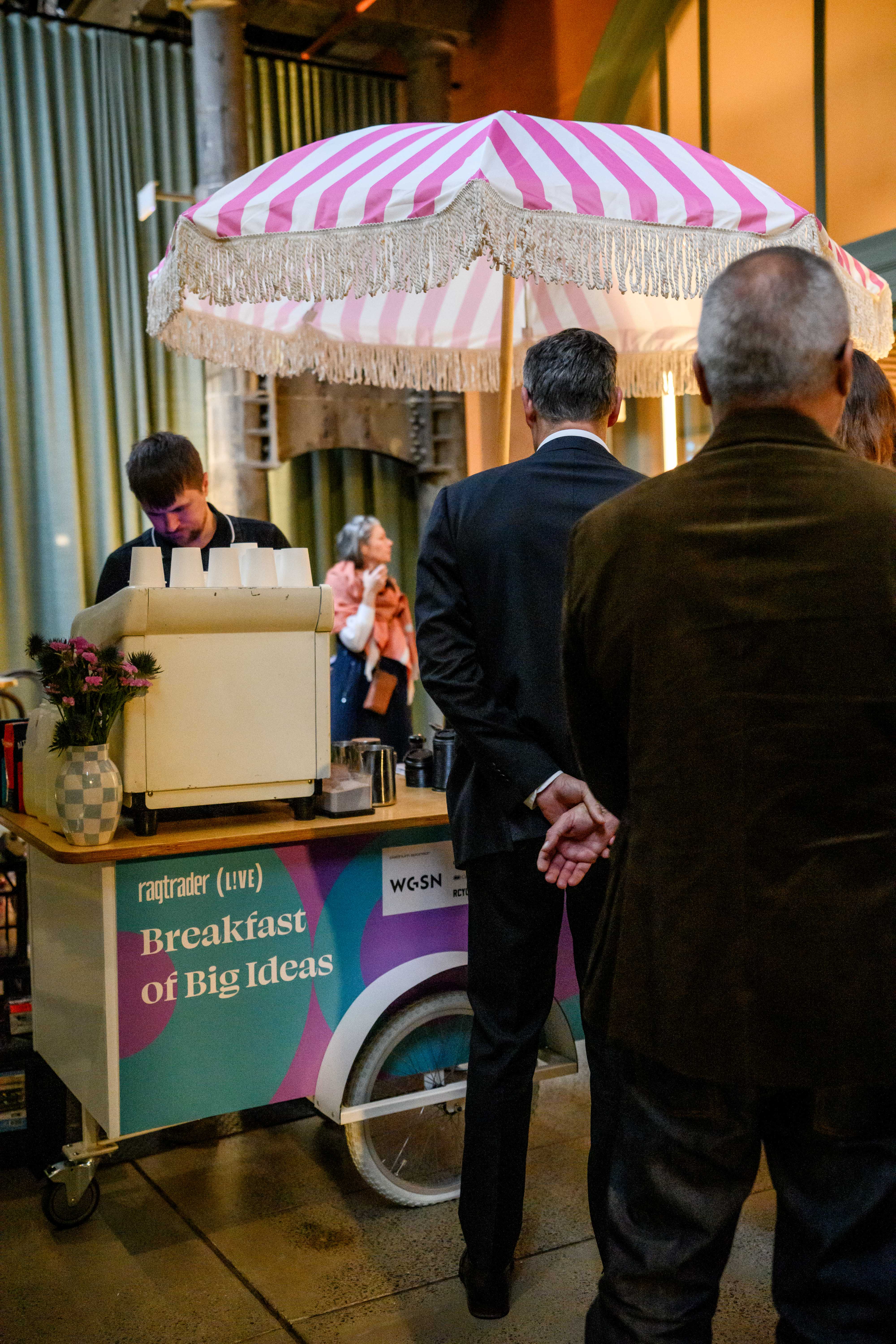
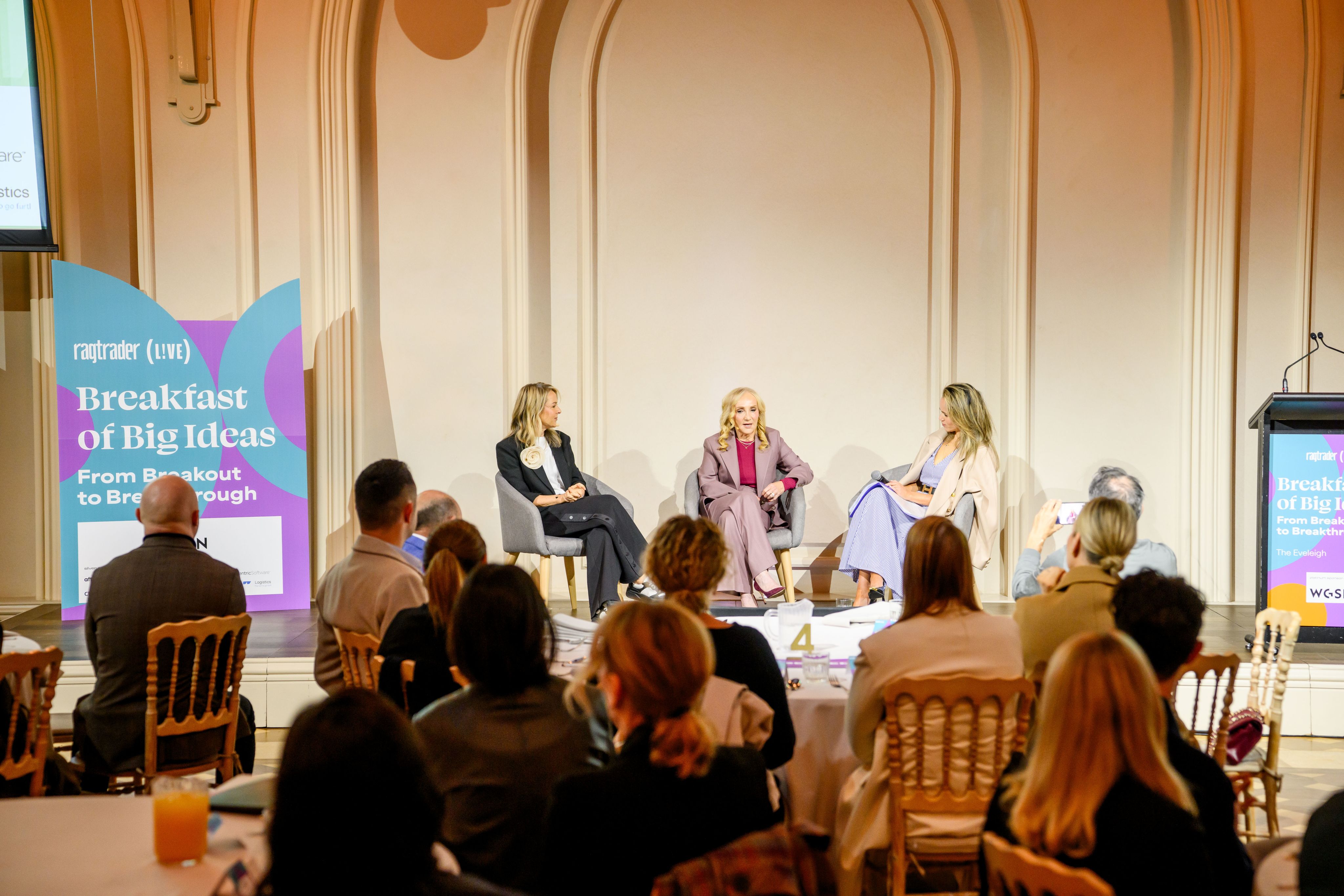
Ragtrader’s breakfast series gathers fashion professionals to learn the strategies behind retail success. Here are the key insights from the sold-out ‘Breakout to Breakthrough’ event.









“We realised that being the biggest activewear brand in the world wasn’t our best positioning. We wanted to be the best.”
Lorna Jane on strategic focus over global scale

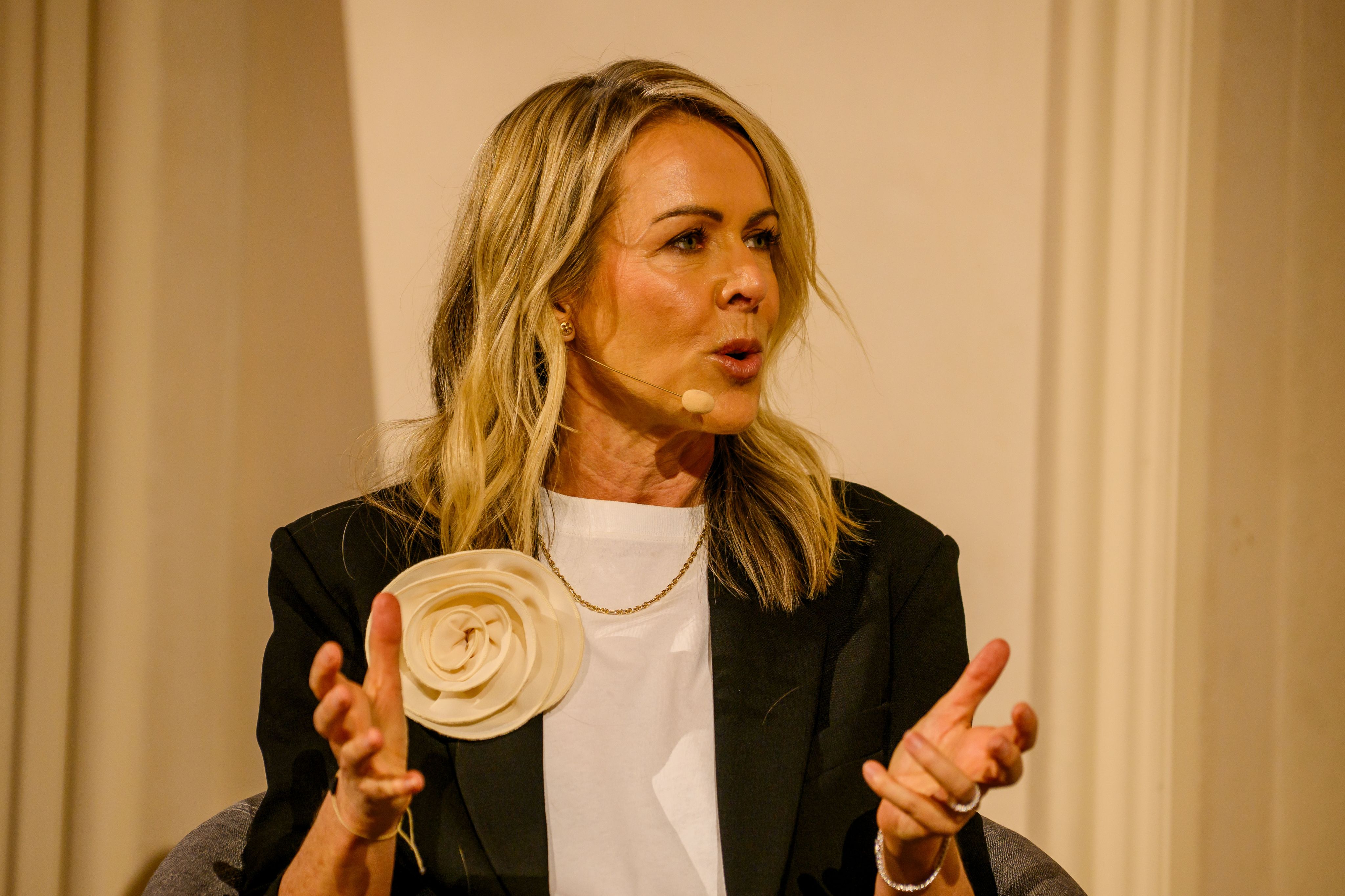
“We realised that being the biggest activewear brand in the world wasn’t our best positioning. We wanted to be the best.”
Lorna Jane on strategic focus over global scale
Lorna Jane
How to build and scale a new category
When Lorna Jane launched in 1989, “activewear” was not a recognised retail category. Department store buyers struggled to merchandise the product, often placing it alongside swimwear or lingerie. Rather than conform, founder Lorna Jane Clarkson made two early commercial decisions that ultimately positioned the brand to define — and lead — the category at scale.
Direct-to-consumer retail as a category control strategy
The first critical move was opening standalone retail stores at a time when the business had no external capital and minimal brand awareness. Clarkson and her husband, Bill Clarkson, funded growth solely from operating cash flow, choosing to bypass wholesale dependency in favour of direct customer engagement.
This decision gave Lorna Jane full control over brand storytelling, merchandising and education — essential in a market where the category itself did not yet exist. Stores became both retail channels and marketing platforms, allowing the company to articulate the lifestyle proposition of activewear as everyday apparel, not just functional fitness clothing.
By prioritising category education over short-term distribution scale, Lorna Jane established a direct feedback loop with its core customer and validated demand before accelerating expansion nationally.
Vertical focus and supply chain simplification
A second foundational move was early offshore manufacturing consolidation. Rather than fragment production across multiple suppliers, Lorna Jane partnered with a single offshore manufacturer that handled sourcing, distribution and logistics, with Lorna Jane as its sole client.
This structure allowed the business to focus internal resources on design, innovation, retail execution and brand-building while retaining flexibility and speed to market. The model reduced operational complexity during the brand’s formative growth phase and supported consistent quality as the retail footprint expanded.
Counter-cyclical expansion as a growth lever
That strategic discipline later enabled Lorna Jane to capitalise on macro dislocation. During the global financial crisis, when larger retailers froze expansion, Lorna Jane secured premium shopping centre locations previously out of reach. The move accelerated brand visibility and embedded the business in high-performing retail corridors, reinforcing its leadership position as the category matured.
Clarkson credits the company’s long-term success to prioritising category creation over rapid scale, and purpose over short-term margin optimisation — a strategy that allowed the brand to outlast multiple retail cycles and waves of competition.
“Our customers come to us at five for schoolwear, we lose them from 18 to 35, and then they come back when they have families.”
Lowes CEO Linda Penn on lifecycle-based retail strategy

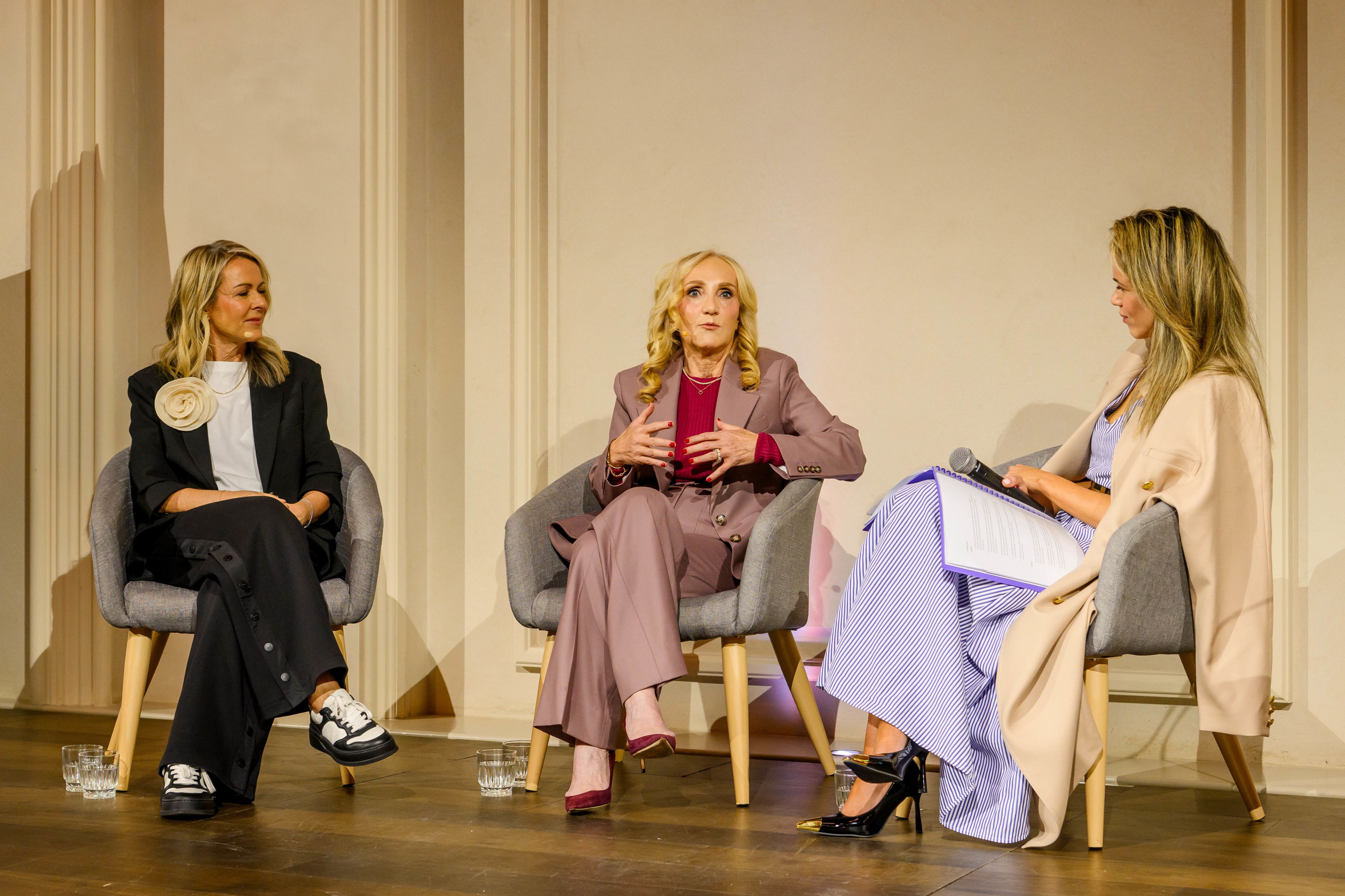
Lowes CEO Linda Penn
How to adapt through change
With more than a century of trading history, Australian menswear retailer Lowes has survived industry consolidation, discount wars and major economic shocks by continuously reshaping its commercial model around customer behaviour — not nostalgia. CEO Linda Penn attributes the company’s longevity to two structural strategies: lifecycle-based customer segmentation and disciplined operational reinvention.
Lifecycle-driven assortment strategy
Lowes’ core customer relationship begins early, with schoolwear anchoring traffic from age five through to adulthood. However, Penn identified a structural revenue gap: male customers disengaged between ages 18 and 35, only returning later when family purchasing dynamics shifted.
To address this, Lowes deliberately expanded into adjacent, utility-driven categories — notably industrial and workwear — to re-engage customers earlier in their working lives. This move repositioned Lowes from a purely value menswear retailer to a destination for functional apparel tied to employment and lifestyle needs.
The same logic underpinned later category extensions into leisure and fishing apparel — niche, high-relevance segments aligned with the existing customer base rather than trend-led fashion risk.
Operational reset during COVID
COVID proved a pivotal inflection point. Classified as an essential retailer due to its workwear offering, Lowes remained open while surrounding stores closed, driving a reported customer base increase of more than 20%.
Penn used the period to reset the operating model. Changing customer expectations around in-store service reduced reliance on high staff numbers, improving productivity. Simultaneously, Lowes shifted away from a high-volume, low-margin stock model that had brought it into direct competition with mass merchants.
Instead, the business lifted product quality, modestly increased pricing and improved margin discipline — a structural change that carried through post-COVID and delivered the company’s strongest financial year on record.
Data visibility and financial control
Under Penn’s leadership, Lowes also modernised governance and reporting. Real-time sales tracking, daily break-even visibility and tighter accountability replaced legacy systems that prioritised stability over transparency.
The introduction of proprietary customer credit through the Zero Card further strengthened retention, allowing Lowes to meet cost-of-living pressures while keeping customers within its ecosystem.
For Penn, relevance is not about chasing new markets indiscriminately, but about continuously recalibrating structure, systems and assortment to reflect how customers actually live — a discipline that has allowed Lowes to remain profitable while many peers have exited the market.
“Building Mimco taught me how to scale — but it also showed me the limits of a founder-led business.”
Mimco founder Amanda Rettig on scaling Mimco

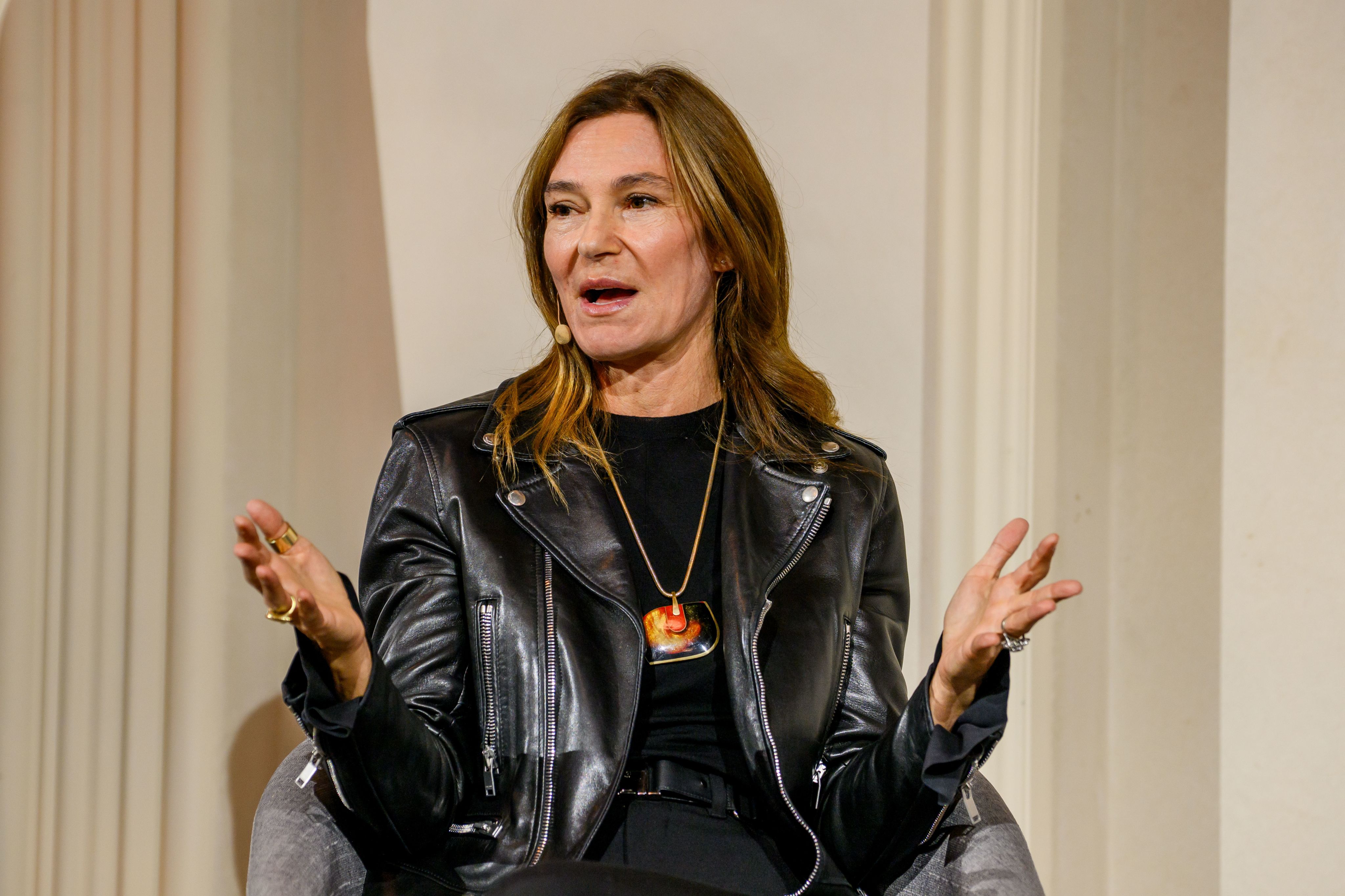
Mimco founder Amanda Rettig
How to scale and sell
Amanda Rettig’s retail career traces the full lifecycle of a modern fashion brand: founder-led creation, disciplined scale, strategic acquisition and a deliberate pivot away from high-volume growth toward a new business model grounded in craftsmanship and creative control. Rettig founded accessories brand Mimco in 1996, growing it from a single-store concept into a national retail brand before selling the business to Country Road Group in 2012 — a transaction that marked one of Australia’s most significant fashion acquisitions of the decade.
Founder-led brand building with mass-market discipline
Mimco’s early success was driven by a clearly defined brand identity and accessible luxury positioning at a time when the Australian accessories market was fragmented and underdeveloped. Rettig focused on building strong product recognition — statement handbags, seasonal colour palettes and distinctive hardware — supported by consistent visual merchandising and tightly controlled brand storytelling.
Commercially, the business balanced creativity with discipline. Mimco operated with focused range planning, regular product drops and a clear understanding of its core customer, enabling repeat purchases and strong brand loyalty. As the retail footprint expanded, the brand transitioned from boutique-scale operations into a national store network, increasing complexity across supply chain, staffing and inventory management.
As Mimco scaled, Rettig recognised that sustaining momentum would require systems, capital investment and governance structures beyond what a founder-led model could efficiently support.
Selling to unlock the next phase of growth
The decision to sell Mimco to Country Road Group was driven by strategic alignment rather than a desire for short-term exit. Under Country Road Group’s ownership, Mimco gained access to sophisticated supply chain infrastructure, financial resources and operational expertise, allowing it to accelerate store rollouts and integrate into a broader retail portfolio.
The acquisition enabled Mimco to move from high-growth brand into a mature retail asset, while preserving the creative DNA that had underpinned its success. For Rettig, the sale represented a recognition that the brand’s next phase required a different ownership structure to sustain long-term growth.
A deliberate pivot away from scale
Rather than replicate the Mimco growth playbook, Rettig’s subsequent work reflects a conscious shift away from volume-driven retail through A-ESQUE. Her focus has moved toward luxury craftsmanship, smaller production runs and slower, more intentional growth — a response to both personal values and structural changes in the fashion market.
The pivot underscores a broader pattern among experienced founders: using the commercial credibility earned through scale to pursue businesses designed around longevity, creative integrity and resilience, rather than expansion for expansion’s sake.
“Voluntary administration forces you to look at your business — and yourself — very honestly.”
Kikki.K founder Kristina Karlsson on voluntary administration


“Voluntary administration forces you to look at your business — and yourself — very honestly.”
Kikki.K founder Kristina Karlsson on voluntary administration
Kikki.K founder Kristona Karlsson
How to avoid short-term risks
Kristina Karlsson’s experience as a founder offers a rare, full-spectrum view of retail entrepreneurship: rapid global expansion, structural failure and a return to business with a fundamentally rethought model. Karlsson founded stationery and lifestyle brand Kikki.K in 2000, scaling the business into an international retailer with stores across Australia, Europe, Asia and the US. At its peak, Kikki.K was synonymous with design-led stationery and gifting, before the business entered voluntary administration in 2020.
Rapid expansion without structural resilience
Kikki.K’s growth was driven by strong product-market fit and global appetite for Scandinavian-inspired design. As the brand expanded internationally, it took on increasing operational complexity across multiple markets, currencies and supply chains.
However, Karlsson has acknowledged that the pace of expansion outstripped the business’s structural foundations. Fixed store leases, rising operational costs and exposure to international retail volatility left the business vulnerable when external conditions shifted — particularly as consumer behaviour changed and physical retail came under pressure.
The experience highlighted a common challenge for founder-led global brands: balancing ambition with the need for robust financial buffers, governance frameworks and adaptable operating models.
Voluntary administration as a strategic reckoning
The move into voluntary administration marked a defining inflection point. Rather than signalling the end of Karlsson’s entrepreneurial journey, it became a moment of deep reassessment — forcing a candid evaluation of decision-making, risk tolerance and the true cost of scale.
The reset exposed the limitations of growth models built around physical retail dominance and underscored the importance of flexibility, transparency and disciplined capital management.
Rebuilding with purpose and discipline
Karlsson’s return to business through her new venture, Dream Life, reflects a fundamentally different approach. The brand is purpose-led by design, with a focus on wellbeing, personal growth and community, supported by a leaner operating structure and more measured growth ambitions.
Rather than prioritising rapid expansion, the new model embeds purpose into commercial decision-making from inception, aligning brand values with financial sustainability. The approach reflects lessons learned from Kikki.K’s rise and reset — and a broader industry shift toward resilience over speed.
Karlsson’s journey illustrates how failure, while costly, can become a catalyst for building businesses that are more intentional, adaptable and durable.
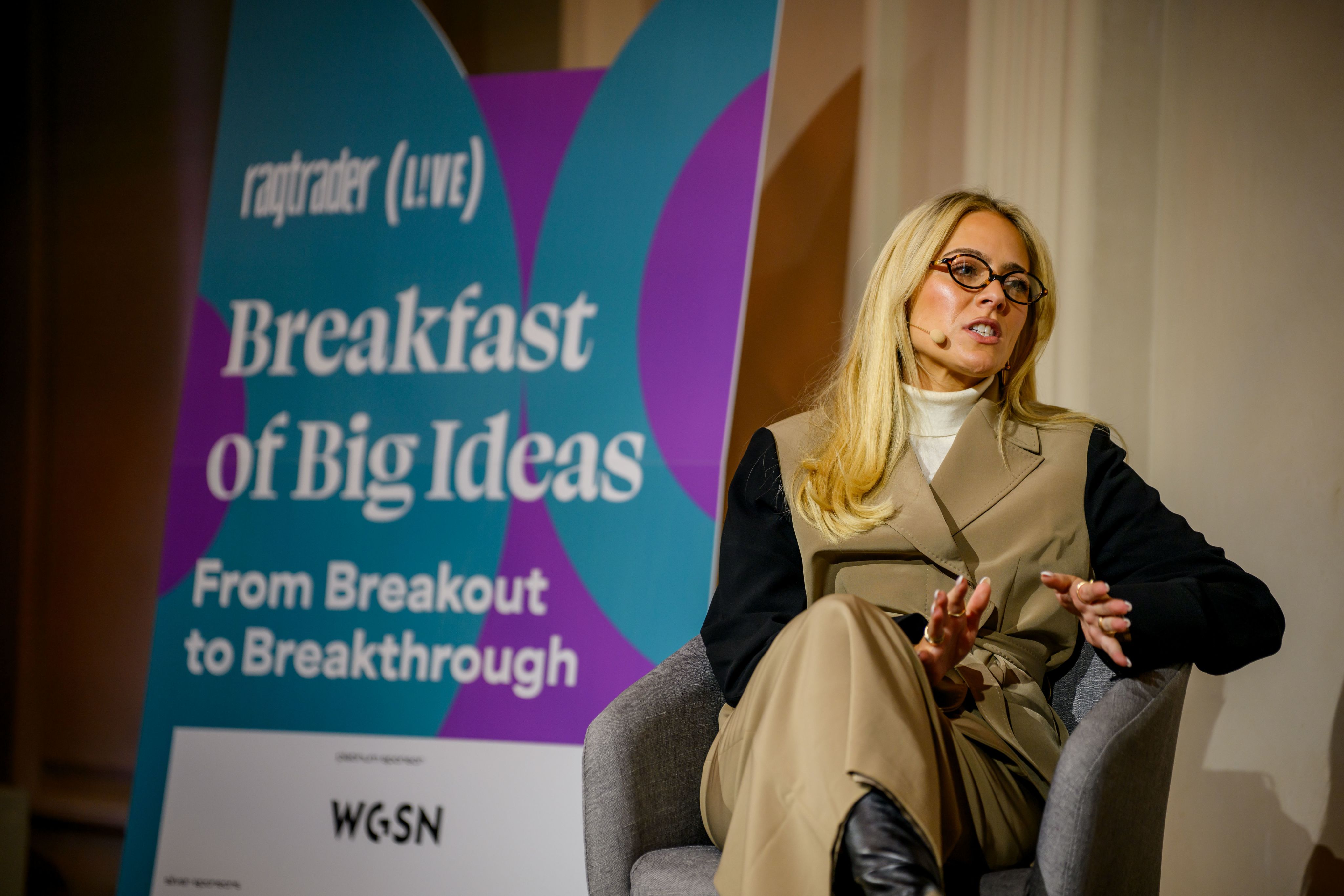



“Going viral is incredibly challenging. You become totally focused on keeping momentum, and everything else stops.”
Triangl founder Erin Deering on virality


Triangl founder Erin Deering
How to turn virality into longevity
Triangl swimwear’s rise from startup to a reported valuation of $200 million was not driven by wholesale distribution or traditional retail expansion. Instead, founder Erin Deering credits an early, highly deliberate social and supply chain strategy that allowed the brand to capitalise on virality before the term had entered mainstream business vocabulary. Launched in 2012, Triangl scaled rapidly as Instagram emerged as a viable commercial platform — positioning the brand as an early case study in influencer-led, direct-to-consumer growth.
Early adoption of influencer marketing as a growth engine
Triangl’s first-year traction was underpinned by an intuitive but systematic gifting strategy at a time when influencer marketing was largely undefined. Deering identified Instagram as a channel for organic customer connection and treated it as an extension of the shop floor — prioritising conversation, feedback and relationship-building over reach.
Rather than targeting high-profile influencers, Triangl initially engaged women with small followings who aligned with the brand’s aesthetic and customer profile. The strategy generated authentic content, rapid brand visibility and early product validation at minimal cost.
Crucially, Triangl’s low-cost production model made gifting commercially viable. By driving manufacturing costs down early, the business could distribute product freely without undermining margins — effectively using inventory as marketing spend.
Engineering virality through network effects
Triangle’s ignition point came when Deering deliberately shifted from organic growth to engineered exposure. Seeking global scale, the brand targeted Kendall Jenner — but rather than gifting her directly, Triangl gifted her inner circle.
The strategy created social proof within a closed network and triggered inbound demand from Jenner herself. The resulting exposure accelerated Triangl’s entry into the US market and initiated a period of extreme vertical growth.
The moment illustrates a key commercial insight: virality is rarely accidental. It is often the result of understanding influence networks, timing and behavioural triggers — and executing with precision.
Supply chain as the critical scaling constraint
While social growth accelerated rapidly, Triangl’s biggest operational challenge emerged behind the scenes. The business went viral before systems, teams or infrastructure were in place, forcing Deering and her co-founder to prioritise supply chain resilience above all else.
By relocating to Hong Kong, the founders embedded themselves close to manufacturing partners in China, enabling fast turnaround times — as little as 14 days from design to launch. When factory capacity became a bottleneck, Triangl deepened the partnership further, co-investing in machinery and effectively securing exclusive production.
The decision ensured continuity during peak demand but also highlighted the strain of hypergrowth without organisational scaffolding — a lesson that would later shape Deering’s approach to business and exit strategy.
“If something’s not working, I’d rather swap it out than put it on sale. It’s not good for the brand or the business.”
Mode Sportif founder Deborah Symond O’Neil on margins and markdowns

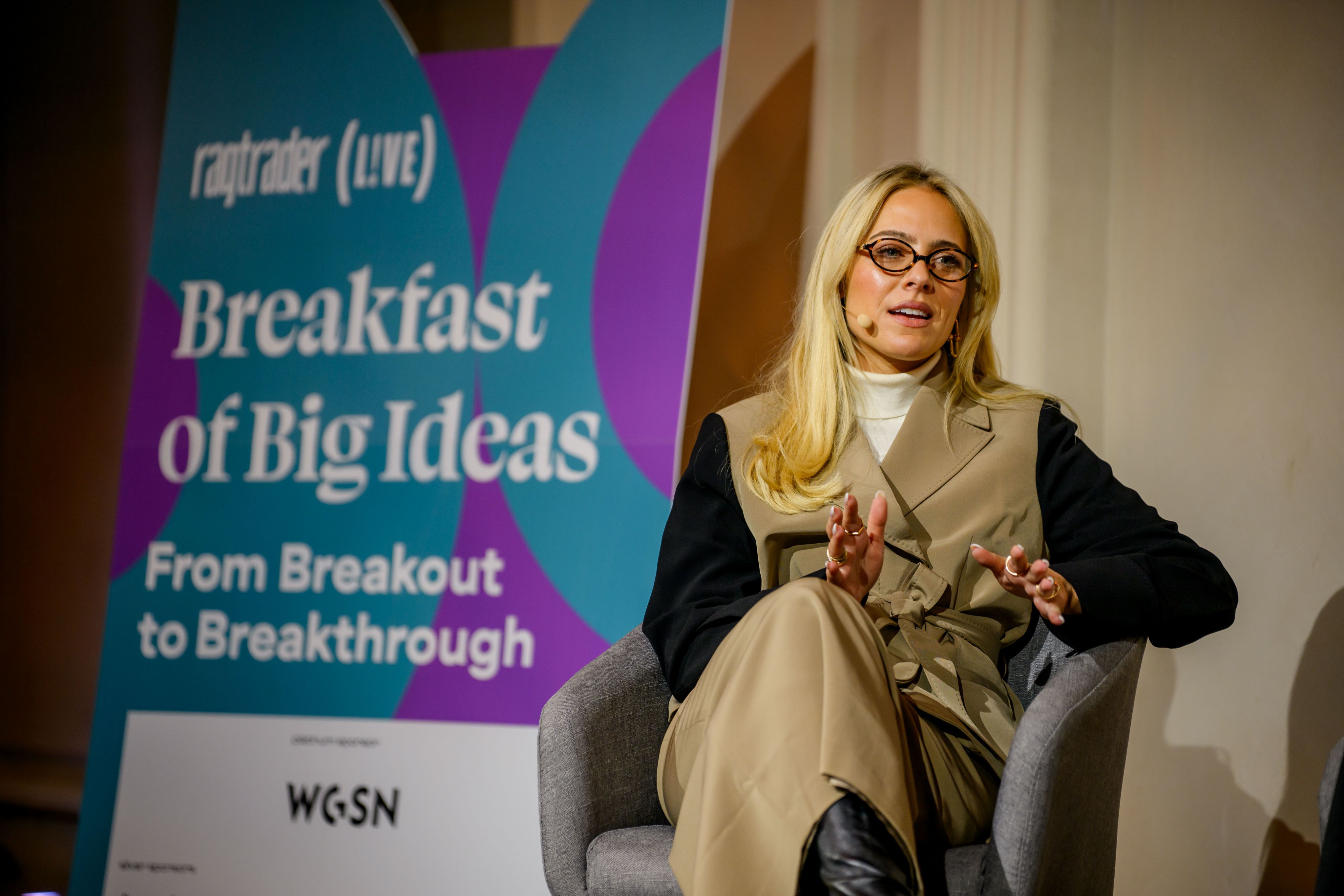
Mode Sportif founder Deborah Symond O’Neil
How to pivot through a boom
Mode Sportif founder and CEO Deborah Symond O’Neil has spent the past decade evolving the business from a niche athleisure retailer into a multi-brand luxury fashion platform — navigating shifting consumer demand, operational complexity and margin pressure along the way. Founded in 2014, Mode Sportif launched at the height of the global athleisure boom, entering a market valued at more than $14 billion annually with a sharply defined, category-specific proposition.
A pure-play category strategy at launch
Mode Sportif’s early success was built on focus. At a time when athleisure was emerging as a cultural shift rather than an established retail segment, the business positioned itself as a dedicated destination — rather than a fashion retailer with an activewear add-on.
This clarity differentiated Mode Sportif globally and allowed it to capture early demand from customers seeking premium, lifestyle-driven activewear. The pure-play model created momentum, credibility and a strong foundation for future evolution.
Scaling through community, bricks-and-mortar and digital
While influencer marketing supported early visibility, Symond O’Neil says the opening of physical stores marked the business’s first major inflection point. Transitioning from online-only to bricks-and-mortar enabled deeper customer insight, real-time feedback and stronger brand loyalty.
The shop floor became a testing ground — informing buying decisions, refining assortment and shaping the brand’s service-led identity. This customer-centric approach would later underpin the business’s expansion beyond athleisure.
Transitioning to a full luxury assortment
As Mode Sportif evolved into a multi-brand luxury retailer, complexity increased significantly. Managing more than 50 brands — each with different calendars, price points and delivery schedules — required a fundamental shift in merchandise planning and cash-flow management.
Symond O’Neil prioritised strong supplier relationships, flexible trading terms and sale-and-return arrangements to mitigate risk and preserve margin. Avoiding excessive markdowns became a strategic pillar, reinforcing brand value while protecting long-term profitability.
The result is a business model built on trust — with both customers and suppliers — and one designed to remain agile amid global competition and discount-driven online marketplaces.
“You can only be the new kid on the block for so long. You have to keep feeding newness and culture into the brand.”
Ksubi CEO Craig King on relevance


Ksubi CEO Craig King
Rebuilding a global cult brand
Ksubi’s journey has been defined as much by reinvention as by cult appeal. Founded in Sydney in 1999, the denim and streetwear brand rose to international prominence through a raw, anti-establishment aesthetic that resonated with global youth culture, before facing the operational and financial consequences of rapid, under-managed expansion. Today, Ksubi operates as a tightly controlled, globally recognised brand with distribution across premium wholesale, owned retail and e-commerce. Its recent evolution reflects a deliberate reset — prioritising brand control, disciplined distribution and creative consistency to rebuild long-term commercial value in a highly competitive global streetwear market.
Reviving a dormant brand through culture and celebrity
Craig King took over Ksubi in 2019 after the brand had previously entered voluntary administration. To restore credibility, King rebuilt supply chains, sourced core products and relaunched in high-profile U.S. retail doors including Barneys and Kith. Strategic celebrity engagement, such as dressing Travis Scott for Coachella and hosting a store performance in New York with over 1,100 attendees, reignited cultural relevance and positioned Ksubi as a globally recognised hype brand. The creation of experiential flagship stores that doubled as showrooms for wholesale buyers also helped rebuild brand equity.
Balancing operational discipline with creative growth
Rebuilding Ksubi required operationalising tight cash-flow management, navigating U.S. HR and legal compliance and cultivating a high-performance culture. King implemented performance competitions for store managers to ensure service consistency across global locations. Wholesale, retail and brand activation were integrated, for example by using flagship stores as showrooms, combining operational efficiency with experiential marketing. This dual approach allowed Ksubi to scale while maintaining brand identity and hype.
Staying relevant in a fast-moving market
King emphasises that brand revitalisation is continuous. Post-COVID, emerging U.S. competitors required Ksubi to continually innovate through collaborations with artists like Mowalola and Trippie Redd. Maintaining relevance demands balancing loyalty to existing customers with attracting new, culturally connected audiences. Data-driven insights from online growth and localised marketing helped identify where the brand was aging out and needed fresh engagement. Ksubi illustrates that turnarounds are not static, and brands must operationalise innovation, monitor data and constantly assess cultural resonance.
“Our VIP program grew to 45 per cent of sales. It built real connections with customers and improved performance across stores.”
Sass & Bide former MD Paula McKenzie on VIP programs

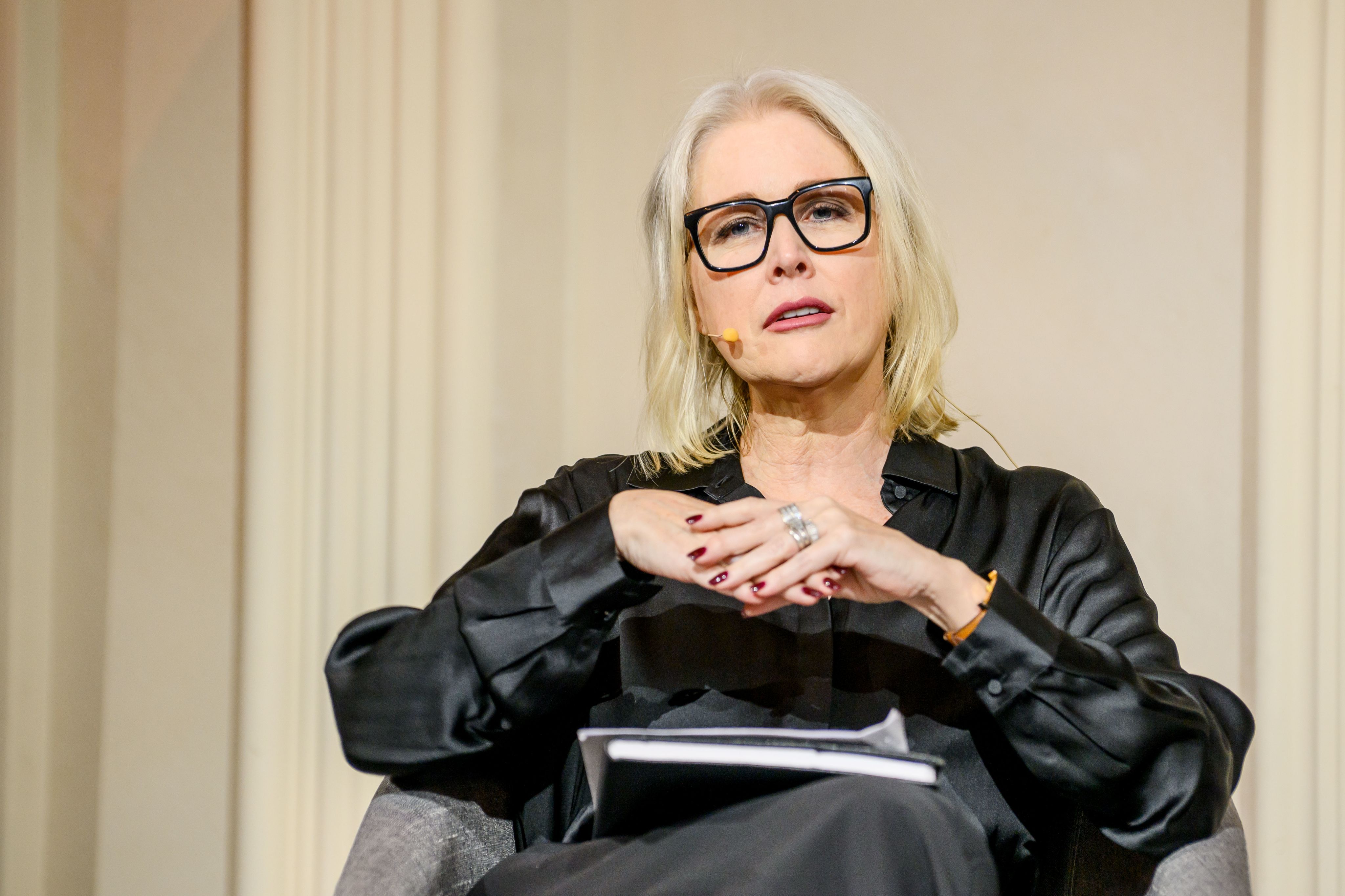
“Our VIP program grew to 45 per cent of sales. It built real connections with customers and improved performance across stores.”
Sass & Bide former MD Paula McKenzie on VIP programs
Sass & Bide former MD Paula McKenzie
Foundations for sustainable growth
Sass & Bide has long been one of Australia’s most recognisable fashion brands, known for its directional design language and strong founder-led identity. Since launching in 1999, the brand has experienced rapid growth, international expansion and ownership changes, each bringing new layers of operational complexity and commercial pressure. The brand’s evolution highlights the challenge facing many legacy fashion labels: how to protect creative relevance while rebuilding a commercially resilient operating model. This journey builds on the strong foundations of its early success, which were driven by disciplined planning, a customer-focused approach and innovative product strategies.
Building structure to unlock brand potential
Paula McKenzie joined Sass & Bide in 2010 when the brand had strong design but lacked operational discipline. She introduced integrated product calendars, marketing timelines and cross-department planning. These structures enabled the brand to execute product launches effectively, coordinate retail and marketing efforts and build a foundation for scalable growth. At the time, the absence of social media and international fast-fashion competition meant success relied heavily on operational rigour and well-coordinated internal processes.
Driving a measured turnaround with data and collaboration
Returning in 2017, McKenzie stabilised the business by consolidating two warehouses into one, improving e-commerce replenishment and reallocating stock to optimise sales and margin. Strategic collaborations with Converse and Havaianas re-engaged younger consumers while VIP programs nurtured existing customers, contributing up to 45 per cent of sales. Data-driven allocation of product by store and region, combined with process discipline, enabled sustainable growth while protecting the brand’s creative integrity.
Insights on incremental evolution and brand stewardship
McKenzie highlights that successful brand evolution must be incremental, protecting current revenue while developing new customer segments. Operationalising analytics, supply chain efficiency and mentoring are essential to managing internal change. Sass & Bide’s turnaround demonstrates that sustainable growth relies on strong foundations, deliberate experimentation and careful stewardship of brand DNA.









To sponsor the 2026 breakfast, contact our national sales manager Marni Groves
T: 02 9281 2333 M: 0412 255 150
marnigroves@yaffa.com.au

 Built with Shorthand