


The Power 30
Ragtrader names the most powerful leaders in Australian fashion.
presented by




“From global luxury houses to emerging DTC disruptors, Australian fashion leadership has never been more diverse or dynamic. Apparel21 congratulates all 30 honourees — and remains dedicated to powering the platforms that help this industry thrive.”
Ajit Chandran
Head of Business Development Apparel21



1
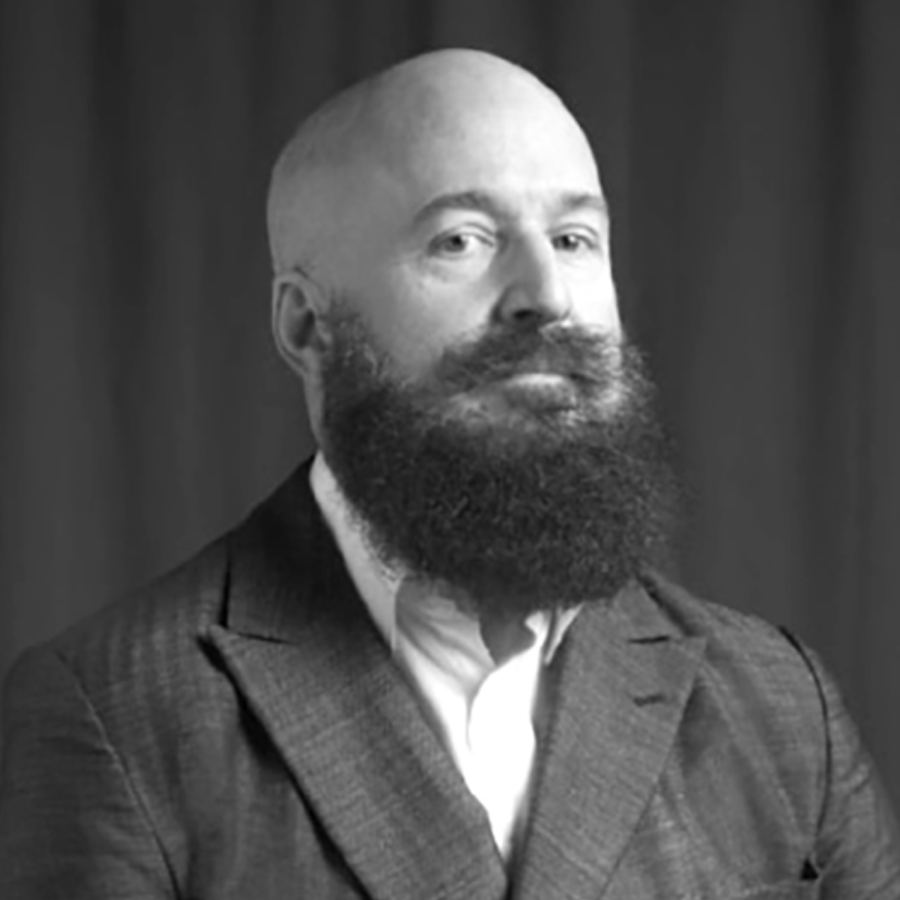
Steven Cook, Country Road Group CEO
Steven Cook is quietly reshaping Country Road Group’s growth playbook, launching a marketplace offering across Country Road and Witchery online late last year – with Trenery, Politix and Mimco following suit this year. This expanded model taps into a market that is valued at over US$12 billion, Next Move Strategy Consulting data shows, and is tipped to grow by a CAGR of 8.4 per cent to 2030. Cook’s move is a strategic pivot designed to future-proof the group as consumer behaviour shifts and margin pressure persists across apparel. This expansion joins improving top-line growth, with the group’s sales up 2.3 per cent in the first half of FY26, and comparable sales up 2.5 per cent.
2
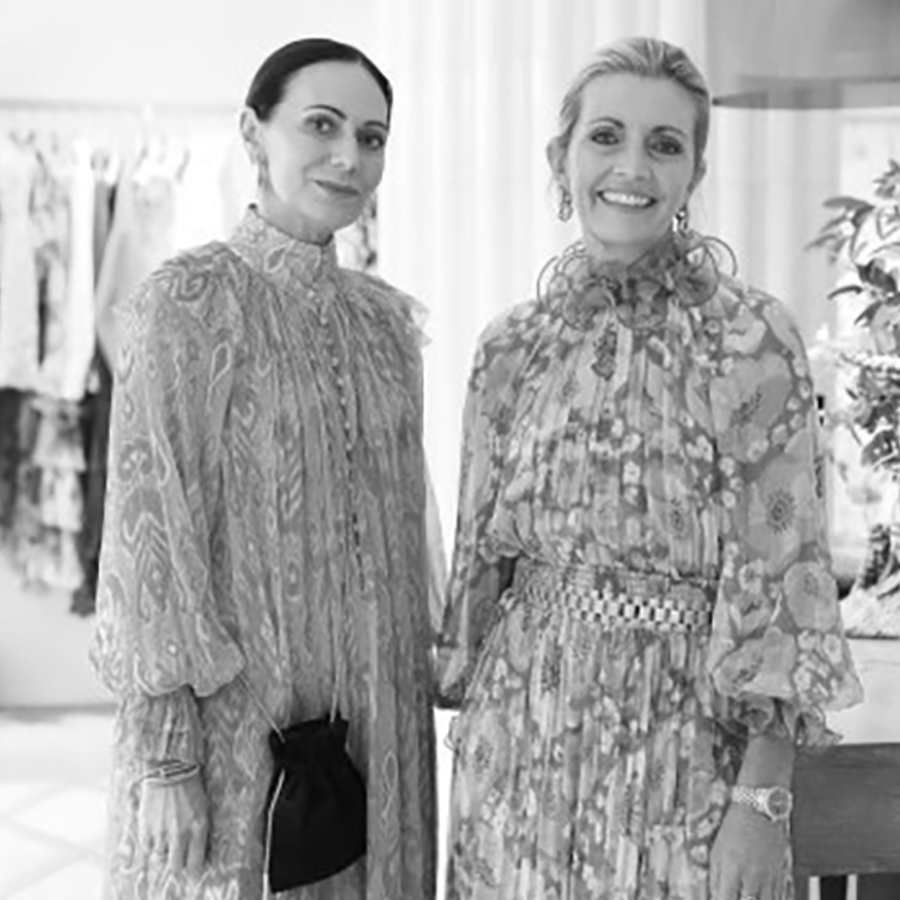
Nicky and Simone Zimmermann, Zimmermann founders
Nicky and Simone Zimmermann have engineered a remarkable post-acquisition surge for their eponymous brand, with sales more than doubling to $645.7 million in FY24. This is up from $299.7 million in the prior year and comes after Advent International signed a landmark deal to acquire a majority stake in the luxury fashion label at a record valuation of $1.5 billion, with the sisters retaining a minority stake. This follows a boom in scale for the luxury fashion brand. When Zimmermann was snapped up in mid-2023, the brand had 58 stores globally. Today, the brand has 93 stores worldwide, including the Middle East and China, where the brand has 5 stores each.
3
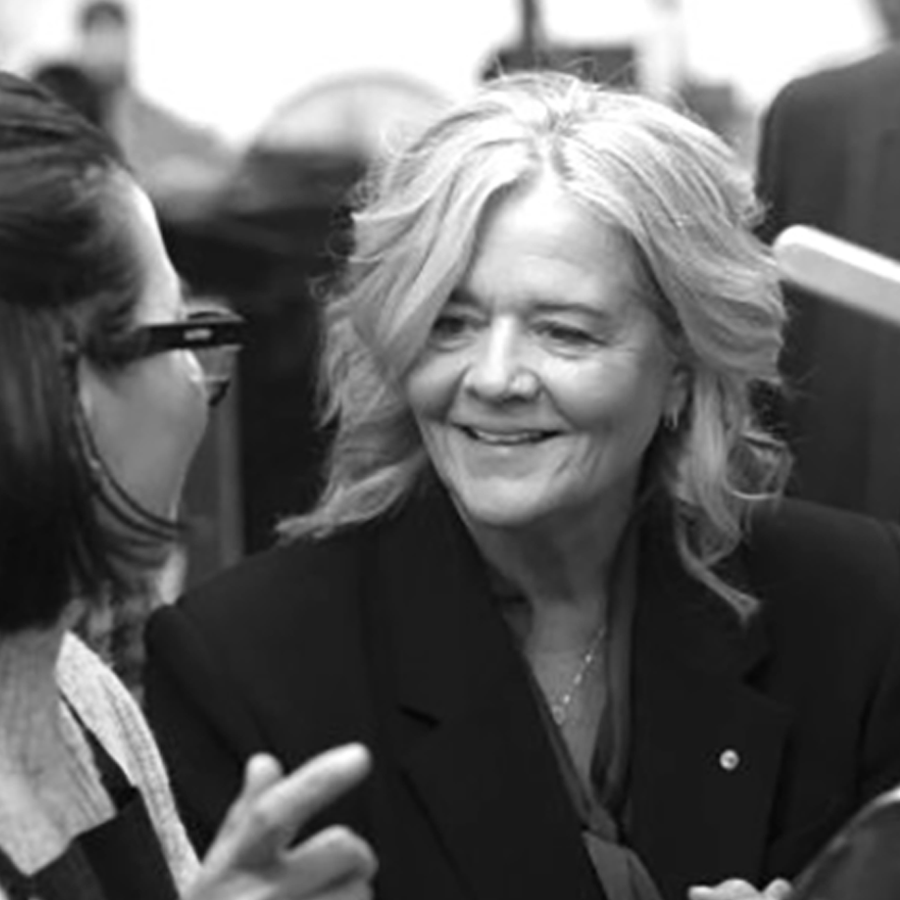
Nicola Forrest, Tattarang
co-founder
Tattarang has ramped up investment in Australian fashion production after officially opening a second Adelaide workshop for R.M.Williams that triples the brand’s local production capacity. The new 20,000 square metre facility – dubbed Bushman’s Base – brings the Australian bootmaker’s total local output to 29,500 square metres. Since acquiring R.M. Williams in 2020 through Tattarang, Dr Andrew and Nicola Forrest’s investment has created hundreds of jobs, boosted supply-chain resilience and reinforced the company’s promise to keep manufacturing onshore. “There is immense pride in knowing the world’s best boots are still made right here in Salisbury,” Nicola says.

4
Alice Barbery, Universal Store group CEO
Universal Store is successfully scaling sales in a notoriously tough youth apparel market, culminating in the group jumping into the ASX 300 in 2025. Group CEO Alice Barbery’s disciplined focus on trend-aligned product, private-label growth and omni-channel execution has translated to double-digit sales momentum, with group total sales lifting 15.5 per cent to $333.3 million in FY25 and gross margin up 100bps to 61.1 per cent. The momentum continues into FY26, with group DTC sales – including Thrills and Perfect Stranger – in the first 17 weeks lifting by 13.7 per cent. Moreover, investment banks hold high hopes for the group’s future, with some expecting the stock to outperform in the next twelve months.
5
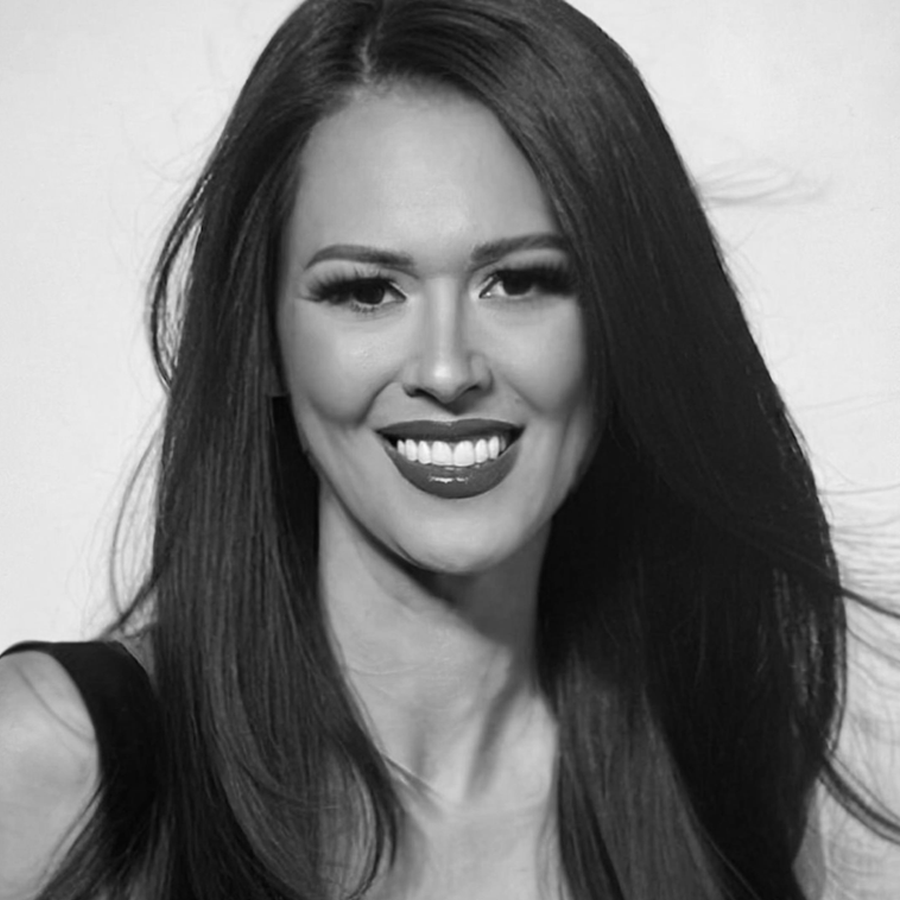
Kim Kidd, Honey Birdette CEO
Margin expansion, not topline noise, has become the clearest signal of Honey Birdette’s reset under CEO Kim Kidd. In the third quarter of 2025, the lingerie brand delivered a sharp 700-basis-point lift in gross margins, rising from 54 per cent to 61 per cent, as a deliberate pullback from discount-led trading restored pricing power. The improvement was driven by a tighter merchandise mix, improved inventory discipline and a renewed focus on full-price sell-through, alongside firmer brand positioning. The result is a stronger profit profile that shifts Honey Birdette’s transition from recovery mode to a more sustainable growth phase.
6
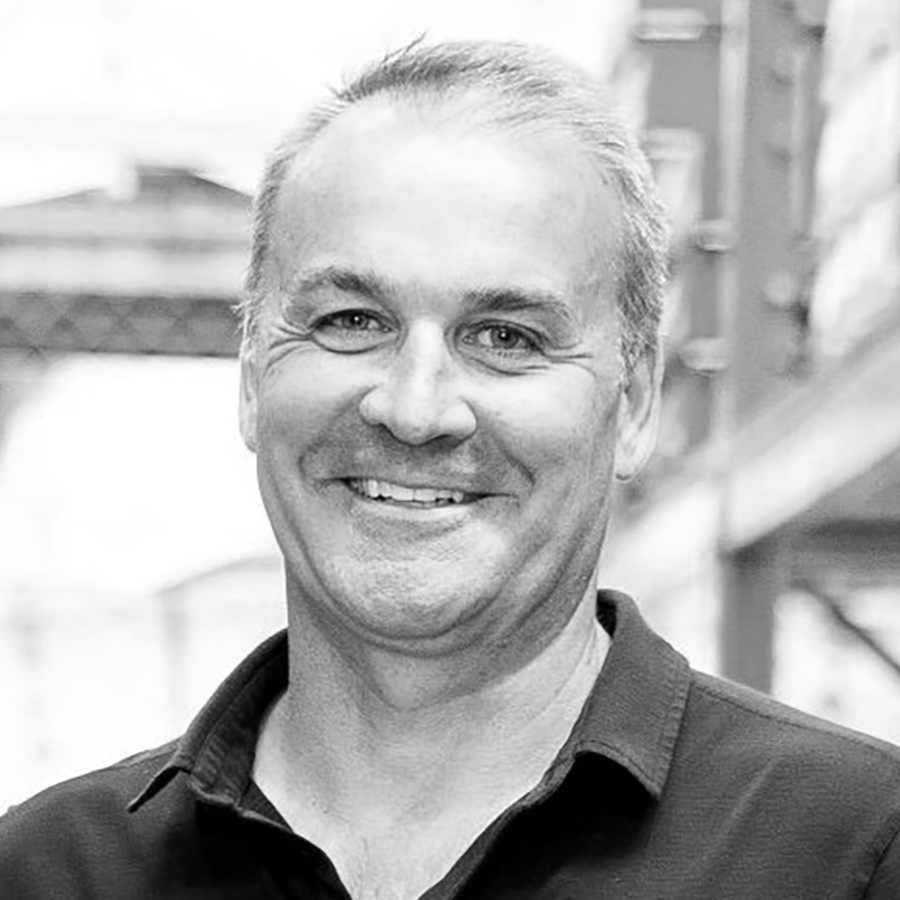
Matt Cloros, Redback Boots managing director
Redback Boots managing director Matt Cloros has engineered a multi-million-dollar transaction that handed a majority stake in the iconic Australian bootmaker to US company Ares Management. The deal values the Sydney-based maker of rugged work boots – including supplying the Australian Defence Force – at just below $100 million. Under the agreement, Cloros will retain a significant equity stake and continue as MD, while Ares brings global scale to help expand production beyond about 650,000 pairs annually, strengthen supply chains and accelerate both domestic and international market growth. The move positions Redback to stretch its heritage brand further afield.
7
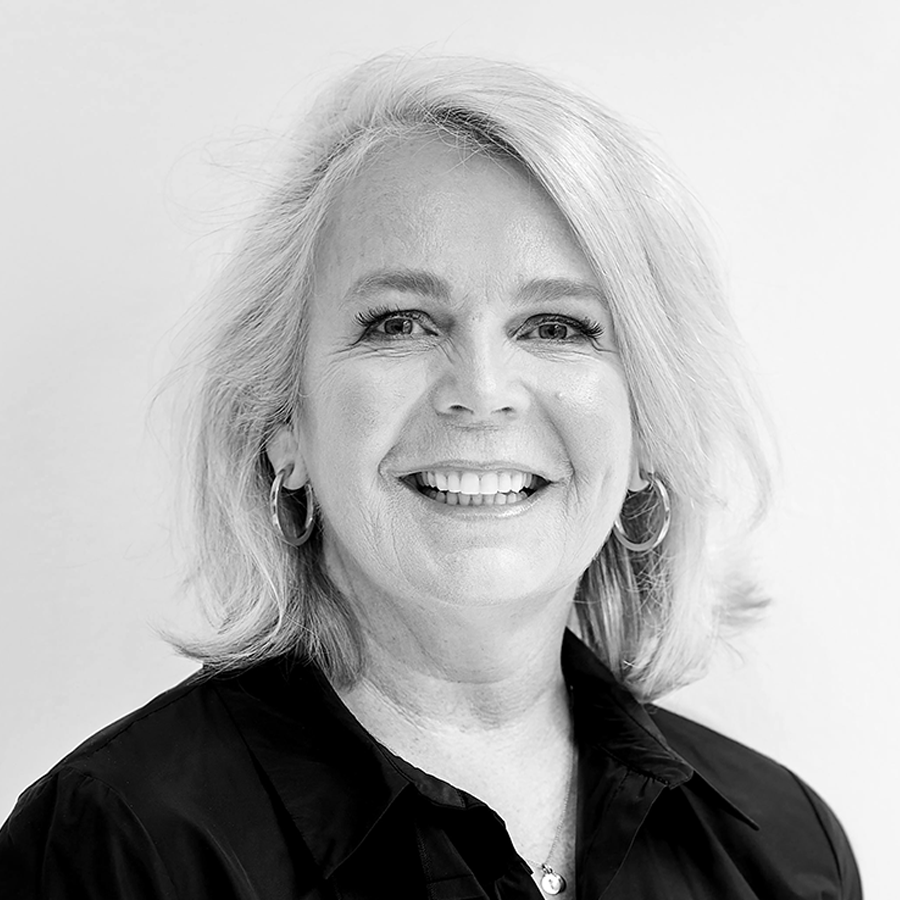
Felicity McGahan, Strand CEO
Strand is transforming its heritage retail business by scaling private-label brands that are fast-becoming core growth drivers. Its leather-goods label Evity delivered standout performance, recording 20 per cent growth in 2025, booming nearly four years after initially launching in 2022 when Strand CEO Felicity McGahan tipped the label would hit $100 million in sales in its first year. Since then, Strand has launched other private labels, including travel-lifestyle range Nere and youth-focused brand AYA. McGahan’s strategy to evolve Strand from a traditional retailer into a portfolio of in-house brands has sharpened product relevance and boosted value across channels.
8
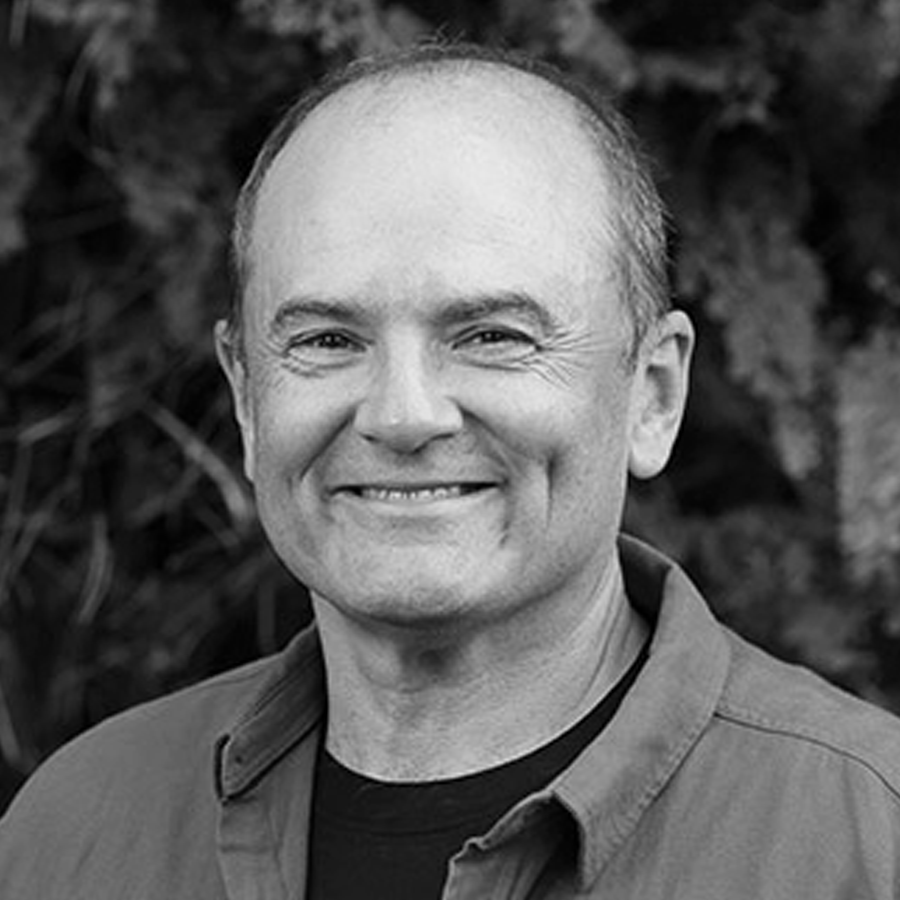
Brent Scrimshaw, KMD Brands group CEO
Brent Scrimshaw has hit the ground running since jumping into the CEO role of KMD Brands, with the group’s leading retailer Kathmandu boosting first-half growth. The outdoor label posted roughly 12.9 per cent year-to-date sales growth, including same-store sales up 12.7 per cent and consistent double-digit gains through both quarters, driven by strong Black Friday and Christmas trading. The result helped lift group sales – which includes Rip Curl and Oboz – by about 7.9 per cent. Scrimshaw says the performance validates the early stages of KMD’s “Next Level” reset, with tighter inventory control and fresh product innovation planned for the second half to sustain growth and rebuild margins.

9
Daniel Agostinelli, Accent Group CEO
Daniel Agostinelli is accelerating Accent Group’s next growth phase through new license deals. Central to the strategy is the rollout of Sports Direct in Australia and New Zealand under a 25-year partnership with Frasers Group, with plans for at least 50 stores within six years and potential to scale beyond 100. Frasers has backed the rollout with a $60 million-plus investment, lifting its stake in Accent to just over 20 per cent. Running alongside is the continued expansion of Lacoste, strengthening Accent’s push into premium lifestyle retail beyond core footwear. This comes as Accent’s total store portfolio nears 900 across Australia and New Zealand, with annual sales north of $1.6 billion.

10
Phil Ryan, City Chic MD and CEO
Phil Ryan is recalibrating City Chic’s operating model to protect profitability as conditions in its only offshore market – the USA – remain challenging. Following a comprehensive product and range overhaul, the CEO has prioritised fit, fabric and margin discipline over volume-led growth, a shift that is now flowing through to improved gross margins – up 220 basis points in the first half of FY26. This reset comes as US sales contract sharply, sticking around $30 million, alongside a softer consumer backdrop, forcing a rethink of how the brand shows up in the market. Ryan’s response has been pragmatic: tightening inventory, rationalising channels and refocusing on higher-quality, higher-margin products.

11
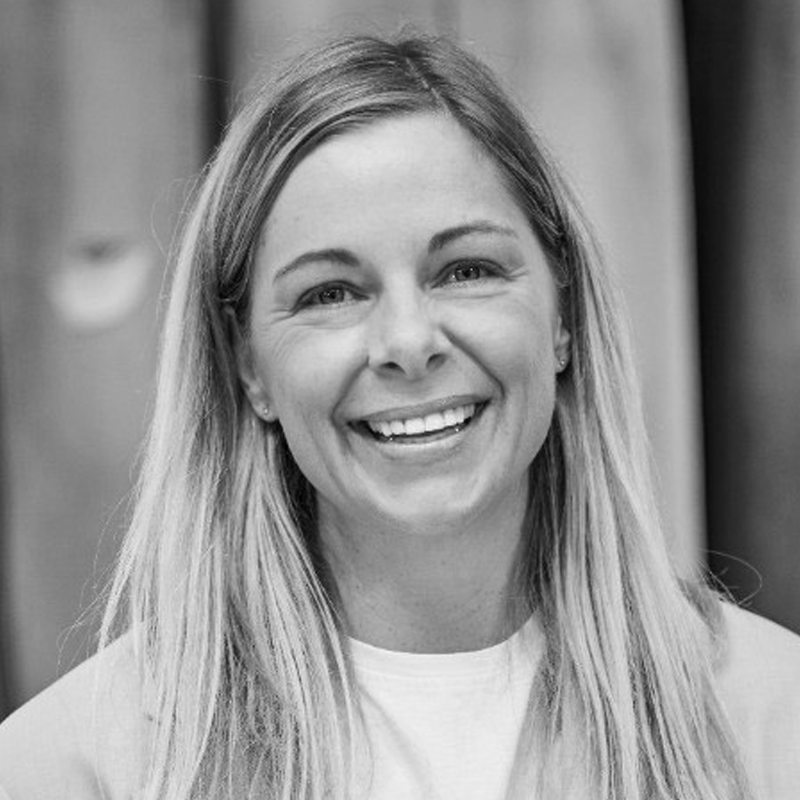
Brett Blundy, Lovisa chair
Low-price jeweller Lovisa has continued to convert ambition into tangible growth, with both sales and store footprint scaling at pace. In FY25, the global jewellery brand delivered a double-digit percentage lift in sales to $798.1 million, underpinned by an strong rollout that saw 162 new stores open worldwide, lifting the total network past 1,000 locations across more than 50 markets. Comparable store and early FY26 sales trends point to sustained demand. Global total sales for the first 20 weeks of FY26 were up 26.2 per cent compared to the same time in FY25, with comp sales up 3.5 per cent in the same timeframe. Backed by retail veteran Brett Blundy, who leads as chair, all eyes are now on 2026.

12
Bianca Ginns, Cotton On Brands managing director
Cotton On Group is stepping up its global kidswear push with the online launch of Cotton On Kids in the United Kingdom, tapping into one of the world’s largest children’s apparel markets after its main ecommerce site debuted there in 2021. Overall revenue for kids' apparel in the UK was US$13.58 billion in 2025 and is projected to grow at around 3.2 per cent annually. Cotton On Brands managing director Bianca Ginns says the expansion brings “ontrend, cool and accessible fashion” for UK parents and kids while amplifying Cotton On Kids’ multichannel momentum. This comes as Cotton On Kids manages around 207 standalone stores across 11 countries.

13
Rob Scott, Wesfarmers managing director
Wesfarmers managing director Rob Scott is accelerating the conglomerate’s AI agenda, embedding advanced data and automation capabilities across retail heavyweights including Kmart, Target and Bunnings. The group has expanded its in-house AI and data science teams to sharpen demand forecasting, pricing optimisation and supply chain efficiency, while unlocking productivity gains across store networks and support offices. Scott views AI not as a siloed tech upgrade but as a core operational lever to lift margins and enhance customer value at scale. This comes as Kmart Group – including Target – pulled in $1 billion in earnings before tax for FY25.

14
Judy Coomber, Peter Alexander managing director
Peter Alexander closed out 2025 with a record Black Friday/Cyber Monday sales, underscoring continued momentum for the sleepwear and lifestyle brand under MD Judy Coomber’s leadership. Premier Investments confirmed Peter Alexander’s record BF/CM sales, even as broader discretionary spending remained challenged. That performance follows a year in which the brand has consistently outpaced peers – with FY25 sales lifting 7.7 per cent to $548 million. Peter Alexander is also pushing into the UK market with three stores and a local website. Coomber’s growth strategy is positioning Peter Alexander for sustained sales and 2026 success.
15
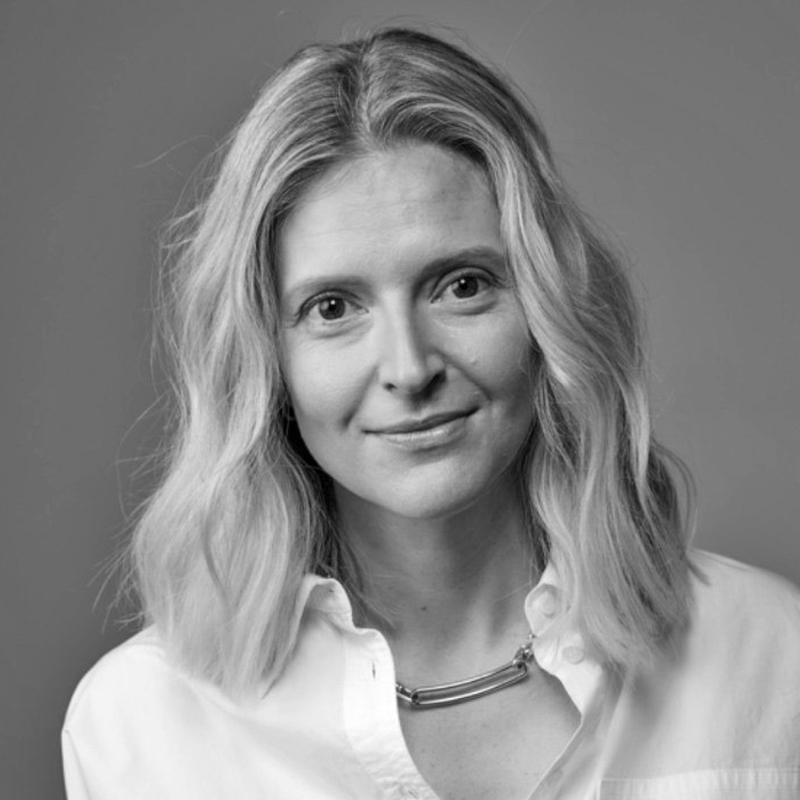
Elisha Hopkinson, APG & Co CEO
APG & Co has taken a bold step into the UK fashion landscape by securing online distribution via British retailer Marks & Spencer for its three brands – Jag, Saba and Sportscraft. This gives all three brands exposure to M&S’s 10.2 million active online customers and tapping into the British retailer’s rapidly growing thirdparty fashion channel. Launched on the M&S platform in August 2025, the partnership sits alongside established names such as Tommy Hilfiger and Calvin Klein and positions APG & Co’s labels in a competitive global marketplace. The deal accelerates global reach without heavy capital investment, giving the group valuable data, brand visibility and a springboard for further expansion.
16
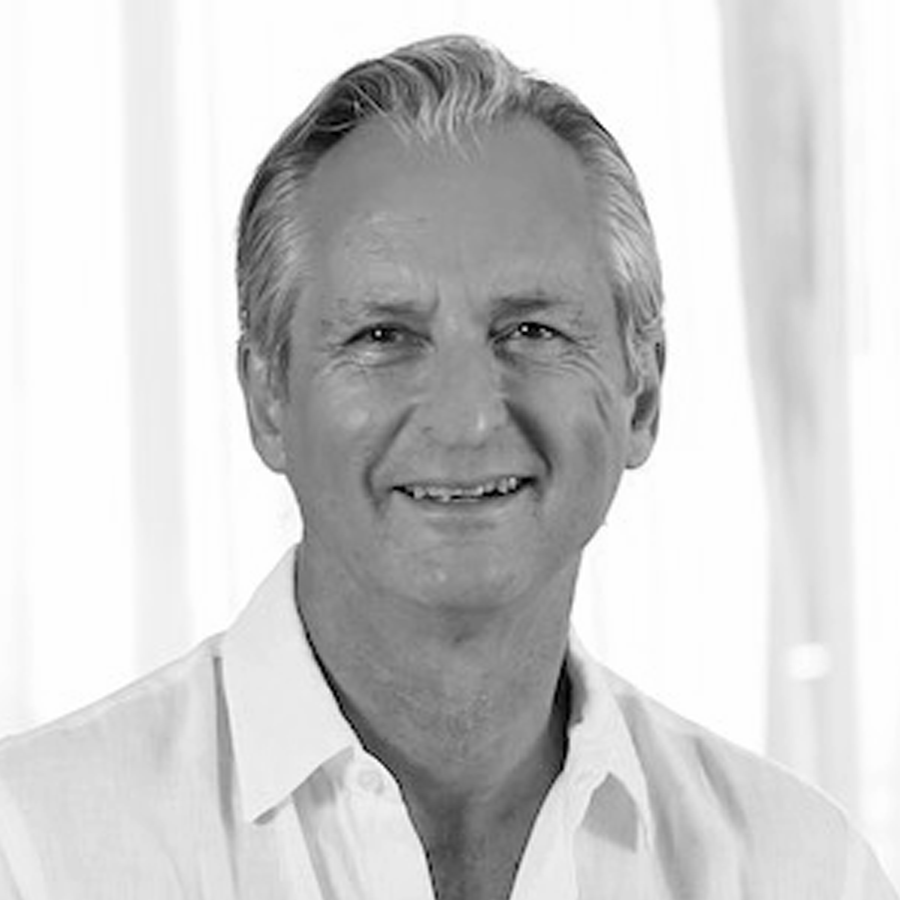
Hilton Seskin, JD Sports ANZ chair
Hilton Seskin is laying the groundwork for JD Sports’ success in Australia by combining experiential retail with strategic partnerships. Under his leadership, JD Sports opened its largest ANZ flagship store on Melbourne’s Bourke Street Mall – a 1,631 sqm twolevel destination with interactive zones and exclusive global brand shopinshops. Seskin has also sealed a loyalty tieup with Myer One, bringing JD’s 67 Australian stores into one of the country’s biggest loyalty ecosystems. This comes as the sporting retail market size hovers around the $6 billion market, according to IBISWorld, as Seskin homes in on blending brand, loyalty and omnichannel retail.

17
Olivia Wirth, Myer executive chair
Myer’s loyalty and digital ecosystem is getting a serious upgrade under executive chair Olivia Wirth, with the department store moving to expand both its Myer One loyalty platform and its online marketplace as engines of growth. Online sales grew by 15 per cent to $818.9 million in FY25, with marketplace sales up 41 per cent, prompting a pivot to a new marketplace offering that will add thousands of products and curated brands for customers to discover. Simultaneously, Myer One is being relaunched – now at partner brands including Just Jeans, Jay Jays, Jacqui E, Dotti and Portmans. Wirth’s strategy is about leveraging loyalty and marketplace momentum.

18
Jason Daniel, LSKD founder
LSKD is supercharging its global growth agenda through logistical overhauls and new stores. After first entering the American market with a San Diego store and headquarters in 2023, founder Jason Daniel has opened LSKD’s first dedicated US warehouse in Los Angeles in 2025, cutting delivery times to as little as three days for local customers. Daniel says the new warehouse helps mitigate the impact of tariffs by allowing us to import and distribute locally within the US, reducing shipping times, duties and overall costs for our community. This comes as the brand’s global store footprint hits 30 in early 2026, with its first Tasmania store and a recent New Zealand entry.
19
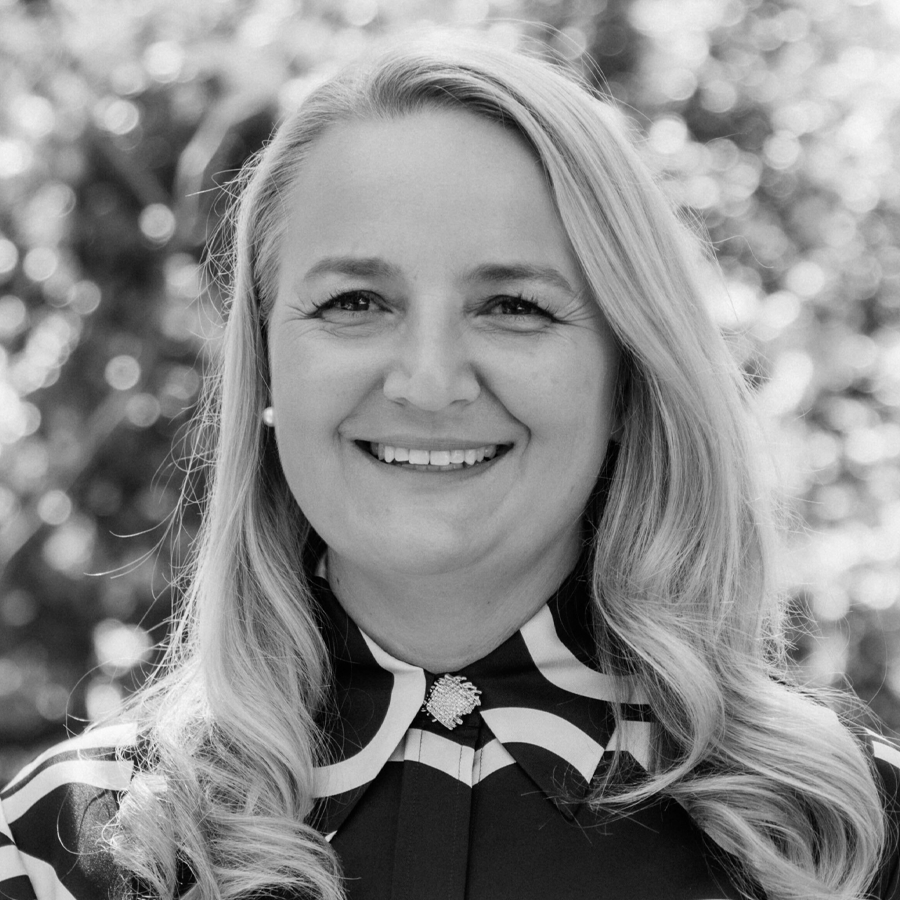
Marianne Perkovic, AFC chair
When Australian Fashion Week’s future hung in the balance after IMG’s withdrawal, the Australian Fashion Council (AFC) pulled off what some would call an insane decision – stepping in to save and reshape the event for 2025. With verbal backing from the NSW Government and a rapid 60page proposal to take the helm, the AFC rallied industry support to deliver a successful week that drew more than 10,000 attendees, including 422 buyers, and featured 40 designers across 16 onsite runways and six offsite shows. Following a successful 2025, the industry anxiously awaits the 2026 program.
20
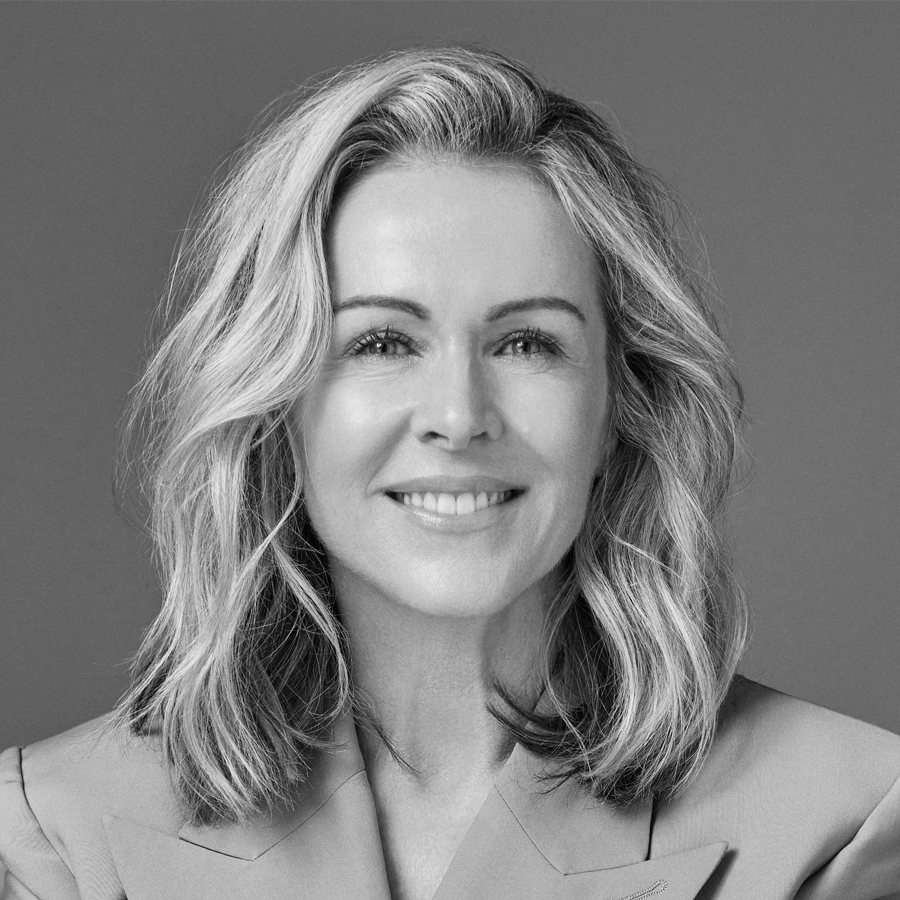
Lorna Jane Clarkson, Lorna Jane founder
Lorna Jane Clarkson is steering her namesake business into a new growth chapter, pairing strong financial momentum with a broader lifestyle play. The activewear founder recently doubled annual profit to $21.3 million on steady demand and tighter operational discipline, reinforcing the enduring pull of the athleisure category. Now, Clarkson is extending the brand beyond apparel through the acquisition of SOMA Byron Bay, marking a deliberate shift into wellness. The retreat expands Lorna Jane’s footprint from product-led retail into immersive experiences, positioning the brand within the booming wellness economy and signalling a strategic evolution from outfitting customers for movement to shaping how they live, recover and connect.

21
Mark Teperson, Baby Bunting CEO
Mark Teperson is tightening execution at Baby Bunting, translating strategy into measurable margin gains. Under his leadership, the specialty retailer recently lifted gross margin by 124 basis points to 41 per cent in the first half, while sales climbed 6.7 per cent to $271.4 million and comparable growth beat guidance. The result reflects a sharper operating model built around private label expansion – including in babywear – store refurbishments and disciplined cost control. Teperson’s ‘Store of the Future’ rollout is already driving stronger productivity and returns, with upgraded locations delivering average 25 per cent uplifts. With margins rebuilding and momentum carrying into the second half, the CEO is positioning Baby Bunting for more growth ahead.

22
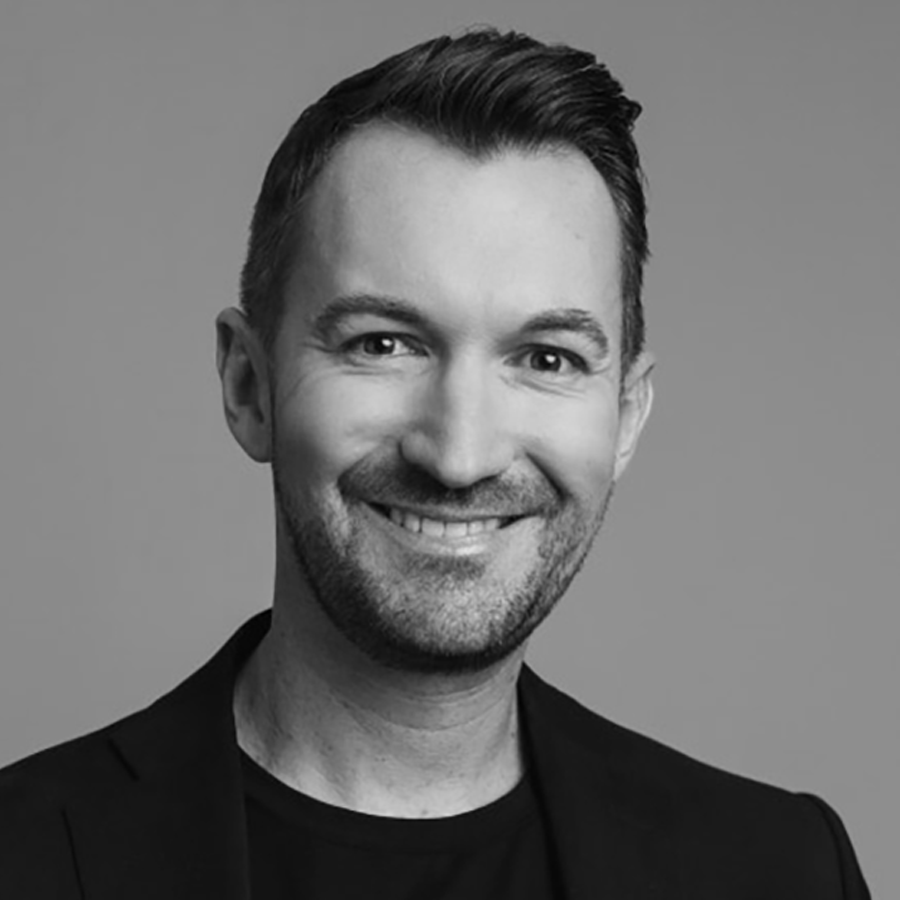
Alaister Low, eBay Live Australia country manager
Australia is catching the live commerce wave with the launch of eBay Live under the lead of country manager Alaister Low. This brings real-time shopping, auctions and chat to its marketplace. The rollout kicked off in December 2025 with AFL star Buddy Franklin auctioning rare trading cards, tapping into a market where 40 per cent of Australians are keen to shop via livestream and 48 per cent admit FOMO drives their buying decisions. Low says the platform lets sellers showcase products, engage buyers instantly, and convert interest into sales. Starting with collectibles, the platform is set to expand into fashion, tech and lifestyle categories in 2026.
23
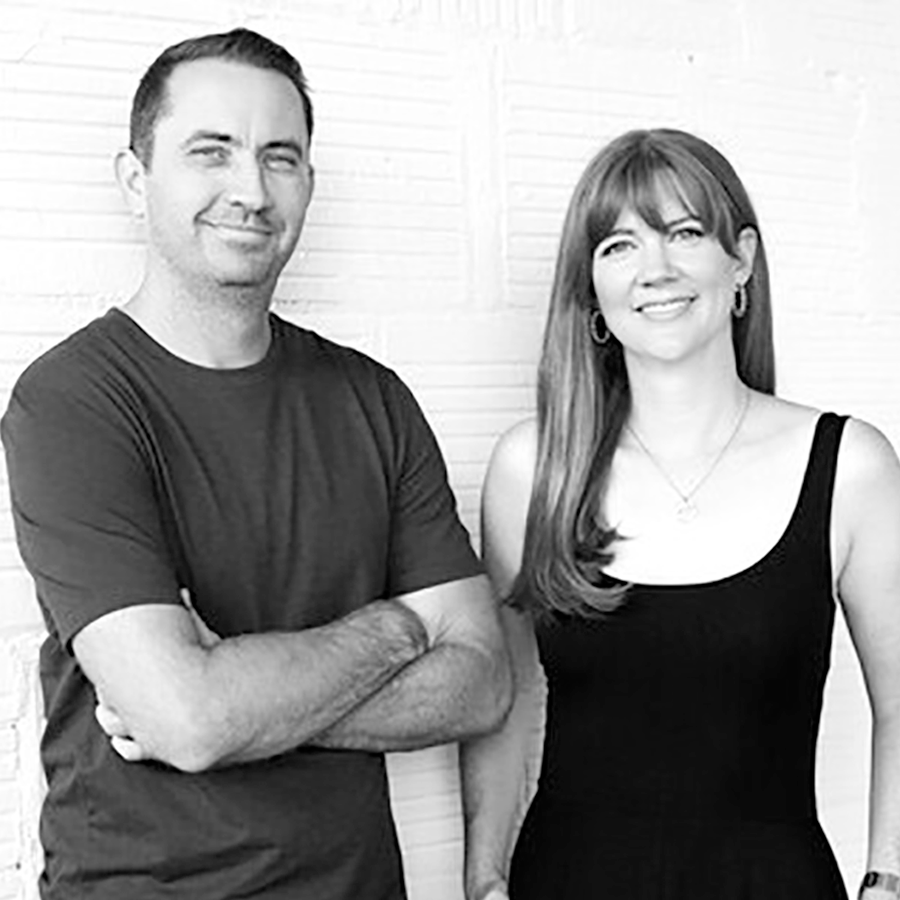
James Holloman, David Jones CMO
David Jones has turned its retail media arm, Amplify, into a new engine for growth. Since launching in early 2024, the division has run over 1,000 bespoke advertising campaigns across the department store’s touchpoints – from instore screens and online displays to its iconic Jones magazine. Amplify targets a growing retail media market, valued at nearly $3 billion according to Sonder research, using firstparty data, premium footfall and loyalty insights to attract endemic and nonendemic advertisers alike. CMO James Holloman’s focus on media is positioning David Jones as both a retailer and media owner, unlocking new revenue streams.
24
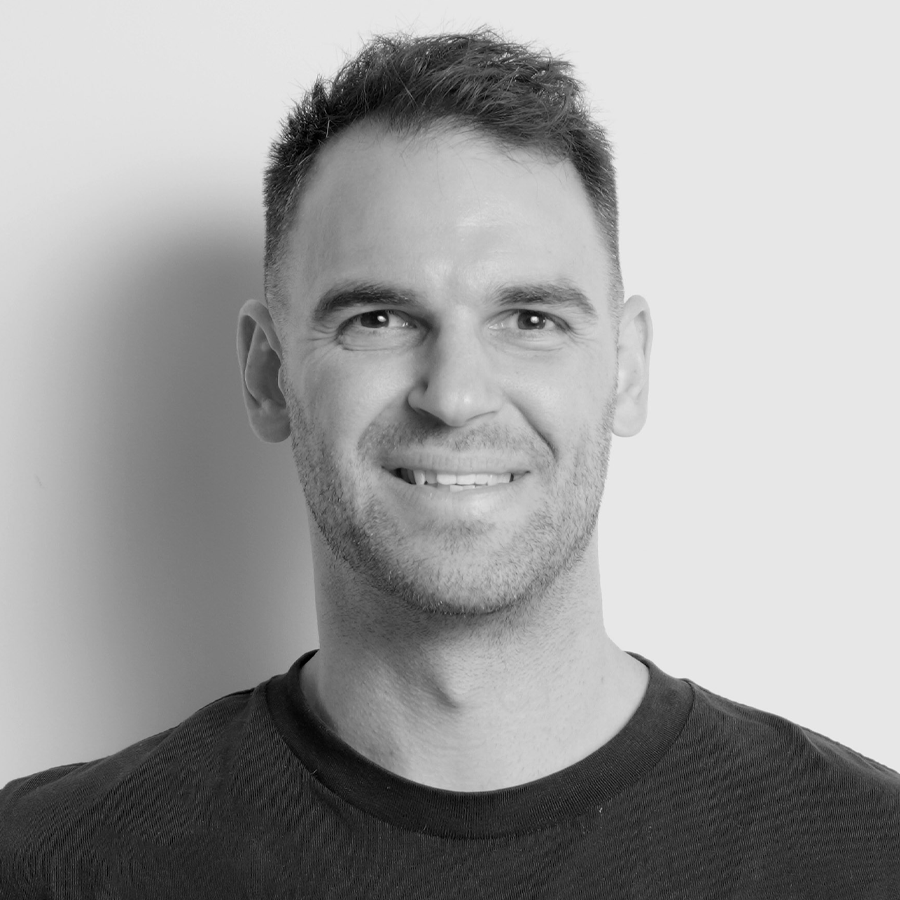
Eirin and Wesley Bryett, Princess Polly co-founders and co-CEOs
After launching its first physical stores in the United States in 2023 – from SoHo in New York City to Miami and Columbus – Australianborn label Princess Polly is now bringing its brickandmortar experience home to Australia with a flagship at Westfield Bondi Junction. And more are slated to open locally in 2026. The move aims to strengthen customer engagement by blending Princess Polly’s strong online community with immersive in-store experiences, trend-driven product displays and tailored events. The rollout is powered by its US-based owner A.K.A. Brands – the parent company of two other Australian-born brands, Petal & Pup and Culture Kings.
25
Michael Breckler, Betts CEO
Michael Breckler is steering a new chapter for heritage footwear brand Betts, pushing the 133yearold business into a modern retail era with a complete overhaul of its channels, ranges and digital presence. Under his leadership, Betts has launched a refreshed website and SS26 collection, supported by a rebrand that streamlines product offerings by retiring sublabels and refocusing the brand on a consolidated women’s shoe line. The repositioning aims to shift past aesthetics and amplify Betts’ fashion credentials, with more than 70 stores nationwide set for an upgrade in 2026 and beyond. Breckler’s push aligns digital, retail and brand storytelling into one.

26
Joanna Robinson, The Iconic CMO
The Iconic is turning customer love into commercial growth with its new ‘Front Row’ loyalty program, spearheaded by CMO Jo Robinson. Launched in late September 2025, the program is designed to tap into the platform’s 2 million active customers, built from the ground up thanks to insights from The Iconic’s ‘Inner Circle’ of 50,000 loyal shoppers. Front Row rewards members with points – called Icons – exclusive offers, events and priority services, while helping The Iconic track retention, basket size and churn. Robinson says the program bridges online and offline engagement, supports hyper-personalisation via AI and strengthens emotional attachment.

27
David Thomas, Brand Collective CEO
David Thomas is shifting Brand Collective’s 77yearold heritage brand Harrison into directtoconsumer territory with the launch of its first standalone ecommerce platform. Historically sold through wholesale and partners like Shoes & Sox, Amazon and The Iconic, Harrison now has a dedicated DTC site featuring free shipping and returns, localised storefronts and tools like live chat and wishlisting to boost conversion. The move complements Brand Collective’s broad portfolio strategy of both modern and heritage labels and balances wholesale with digital growth, while keeping physical fitinstore options via Shoes & Sox bookings.

28
Prue Slocombe, Tigerlily general manager
Tigerlily is back in action under Seafolly ownership, with GM Prue Slocombe leading the swimwear brand’s revival after its most recent collapse. The relaunch includes a fresh website, Myer as an anchor stockist and a product reset that stays true to Tigerlily’s signature paisley prints, blanket stitching and detailing. Slocombe says early feedback from stockists has been strong, with retailers keen to reintroduce the brand to market. Monthly drops will maintain accessible price points while building the ‘Pacific Florals’ first range and subsequent launches through 2026. Tigerlily is focused on re-establishing its identity, which now includes a lift in IRL marketing investment.

29
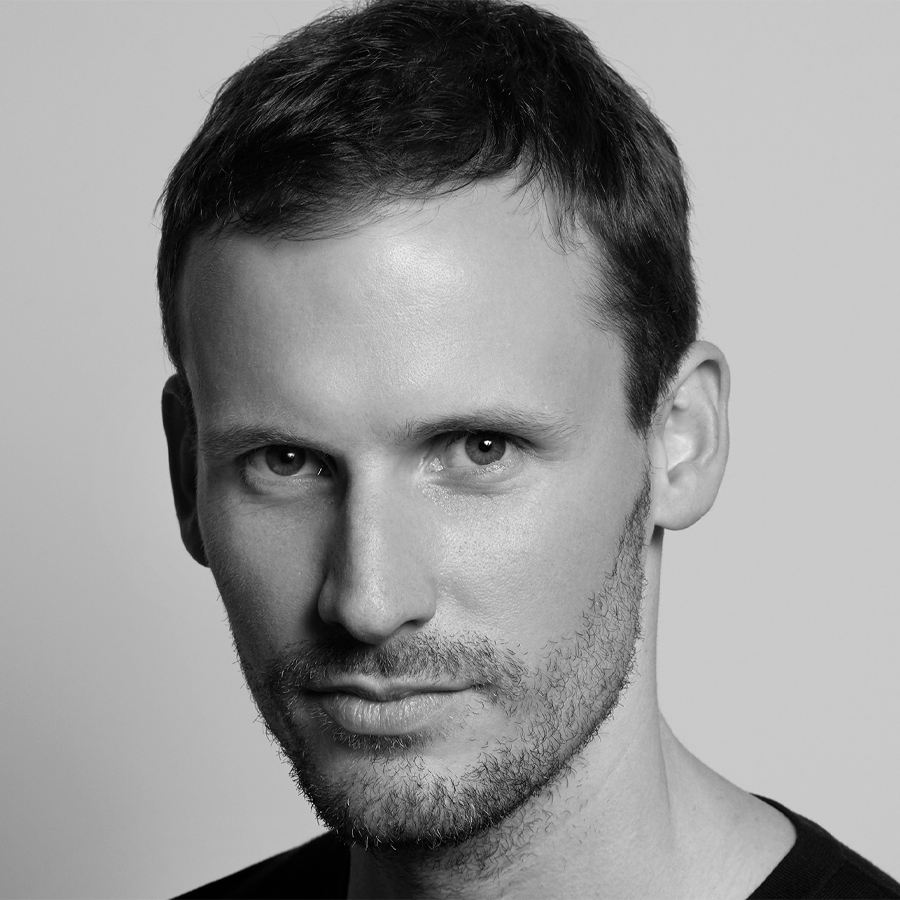
Athan Didaskalou, July co-founder
July co-founder Athan Didaskalou is betting big on tech pedigree as the luggage brand sharpens its push into premium travel gear. In a strategic talent play, July has tapped Apple and Google product leaders to help develop its next-generation suitcase line, signalling an ambition to move beyond design-led storytelling into engineering-led differentiation. The collaborative process brought deep experience in hardware development, user-centric design and systems thinking. For Didaskalou, it’s a calculated move to future-proof the brand in an increasingly crowded global market, where smart functionality, durability and innovation matter as much as aesthetics.
30
Dion Lee, fashion entrepreneur
After a tumultuous period that saw his eponymous label enter voluntary administration and its assets acquired by US retailer Revolve, Australian designer Dion Lee is shedding the past and stepping into a new era with the launch of his fashion brand HÆLO. The directtoconsumer label debuted with a 28piece collection that blends sensuality with technical craft, drawing on both angelic and gothic influences across pants, tops, jackets and more – all crafted with European textiles and production. Lee says this new chapter is a “refreshing and inspiring” opportunity to build a distinct identity independent of his past namesake business, with products available online and through exclusive partners such as Revolve and FWRD.




 Built with Shorthand